





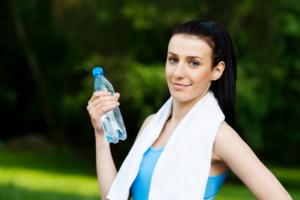
Most athletes drink when they feel thirsty. This approach fails more often than it succeeds. Research from the Korey Stringer Institute shows that more than 50% of athletes at all levels arrive at workouts already hypohydrated, meaning their fluid deficit began before they even started moving. The body sends thirst signals late, sometimes too late, and by the time you want water, performance has already dropped.
Proper hydration during physical activity follows a timeline. It begins hours before exercise, continues through the session, and extends into recovery. Each phase has specific targets based on body weight, sweat rate, and exercise duration. The numbers are not arbitrary. They come from decades of sports medicine research aimed at preventing both dehydration and its lesser-known counterpart, hyponatremia.
Starting With a Full Tank
The 2 to 4 hours before long term exercise matters more than most people realize. ACSM guidelines recommend consuming 5 to 10 ml of fluid per kilogram of body weight during this window. For a 70 kg person, this translates to 350 to 700 ml of water or a comparable beverage. The goal is to begin activity with a normal hydration status and enough time for excess fluid to pass through the kidneys.
Urine color offers a rough indicator of hydration state. Pale yellow suggests adequate fluid levels. Dark yellow or amber indicates a deficit that needs correction before training begins. Athletes who skip breakfast or rush to morning workouts often start with concentrated urine, putting themselves at a disadvantage from the first rep.
Replacing What Sweat Takes Away
Sweat contains more than water. Sodium, potassium, and chloride leave the body during prolonged activity, and losses vary widely between people. A 2024 study published in Nutrients confirmed that sweat rate and electrolyte composition differ so much from person to person that blanket recommendations often fall short. NATA guidelines suggest adding 0.3 to 0.7 grams of salt per liter of fluid when exercise exceeds four hours or occurs in early heat exposure, specifically to reduce hyponatremia risk.
Some athletes mix their own solutions using table salt and fruit juice, while others rely on coconut water, sports drinks, or the best hydration powders to hit their targets. The method matters less than matching intake to individual sweat losses.
How Much to Drink While Moving
The Korey Stringer Institute recommends athletes consume about 200 to 300 ml of fluid every 15 minutes during exercise. ACSM considers 0.4 to 0.8 liters per hour optimal for intense endurance activities, though this range accounts for body size, exercise intensity, and environmental conditions. Smaller athletes in cool weather need less. Larger athletes in heat need more.
Drinking too much creates its own problems. Hyponatremia, a condition where blood sodium drops to dangerous levels, typically occurs when athletes drink far beyond their sweat losses. Marathon runners and ultraendurance competitors face the highest risk because they have more time to overconsume fluids. The old advice to drink as much as possible has been replaced with more measured recommendations based on individual sweat rates.
Measuring Your Own Sweat Rate
A simple weigh-in before and after exercise provides useful data. Strip down, record your weight, exercise for a set duration, towel off sweat, and weigh again. The difference in kilograms roughly equals liters of fluid lost. Add any fluid consumed during the session to get total sweat loss.
Repeating this process under different conditions builds a personal profile. Hot days produce different numbers than cool ones. High-intensity intervals drain fluids faster than steady-state cardio. Once you know your patterns, you can plan intake more precisely.
After the Workout Ends
Post-exercise rehydration should occur within 2 hours of finishing. Research supports consuming 150% of the body mass lost during exercise, spread across that recovery window. If you lost 1 kg during a run, aim for 1.5 liters of fluid before the window closes.
Food contributes to this total. Fruits, vegetables, and soups contain water that counts toward recovery needs. A meal with high water content, combined with a glass or two of water, often covers the deficit without forcing large volumes of plain liquid. Sodium from food also helps the body retain fluid rather than passing it through the kidneys too quickly.
Temperature and Humidity Change Everything
Exercise in hot, humid environments increases sweat rate substantially. Athletes who train primarily indoors may find their fluid needs double or triple when they move outside in summer months. The body adapts over 10 to 14 days of heat exposure, becoming more efficient at sweating and better at conserving sodium, but the first few sessions in new conditions require extra attention.
Cold weather presents a different problem. Thirst sensation decreases in low temperatures, and respiratory water loss increases. Athletes often drink far less than they need because they do not feel hot or sweaty. Monitoring urine color becomes more useful when thirst cannot be trusted.
Signs You Have Fallen Behind
A body weight loss greater than 2% from water deficit marks the threshold where performance begins to decline measurably. Endurance drops, reaction time slows, and perceived effort increases. Headache, fatigue, and muscle cramps may follow, though these symptoms also have other causes.
Dark urine several hours after exercise suggests inadequate rehydration. Persistent thirst, dry mouth, and reduced urine output point in the same direction. Athletes who track their weight daily will notice patterns that occasional monitoring misses.
Building Sustainable Habits
Carrying a water bottle to training sessions makes drinking easier. Setting reminders during long workouts helps athletes who forget to drink when focused on performance. Preparing beverages the night before removes friction from morning routines.
The guidelines exist because the body cannot regulate fluid balance perfectly on its own, especially under physical stress. Following them requires some planning, but the payoff shows up in training quality, recovery speed, and long-term health.