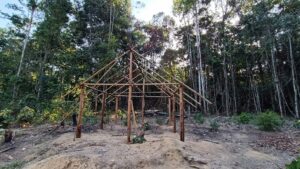
Outdoor projects often look similar at first glance: wood, stone, and a few personal touches. Yet what works in one place might not hold up in another. A deck built for dry, temperate weather can struggle in areas that see months of frost, while materials that thrive in humid conditions may warp under desert heat.
These differences, shaped by climate and local building rules, influence everything from the type of materials used to the depth of a footing. Understanding how your environment influences design enables you to create an outdoor space that endures, saves money over time, and blends seamlessly with its surroundings.
Climate’s Quiet Influence on Outdoor Design

Weather quietly shapes every deck, porch, and patio. In colder regions, frost can cause footings to shift and crack poorly anchored structures. In areas with strong sunlight, wood may fade or splinter if it isn’t properly sealed. Along the coast, salt in the air can corrode nails and brackets that aren’t designed for marine exposure.
In the Hudson Valley, homeowners face humid summers and icy winters, so composite decking that resists expansion and contraction has become a dependable choice. Coastal builders often rely on stainless steel fasteners and pressure-treated framing to withstand the effects of sea air. These small design decisions may not draw attention, but they decide how well a space survives through changing seasons.
The latest trend doesn’t define a strong outdoor project. It reflects the weather, the land, and how people use it year after year.
The Ground Rules: How Regional Standards Shape Outdoor Projects
Every town and state sets its own standards for outdoor construction. Requirements for post depth, railing height, and inspection frequency can differ from one county to the next. These variations might seem tedious, but they’re what keep structures safe through wind, rain, and snow.
In New York’s Hudson Valley, local departments often focus on runoff and slope stability, given the area’s hills and rivers. Pennsylvania takes a slightly different approach, favoring efficiency while following the International Residential Code. Builders in towns such as Lancaster, Pottsville, and Hershey adapt their work to strike a balance between flexibility and oversight. A local deck contractor in Pottsville might, for instance, change footing depth or choose materials that perform better during the region’s freeze-thaw cycle.
On the West Coast, codes account for earthquakes and wildfire risk, influencing both layout and materials. These regional priorities demonstrate how outdoor buildings reflect the land itself: steep or flat, dry or wet, calm or unpredictable.
Materials and Design Choices That Stand the Test of Place
Choosing the right materials is just as important as the design itself. Dense hardwoods withstand snow loads, while composite decking resists humidity and fading. In dry or coastal climates, metal railings coated against corrosion often outlast untreated wood.
Design can also make or break a project. Decks that allow air to circulate underneath resist rot, while covered porches and pergolas provide shelter from harsh sun or steady rain. Across different climates, the most enduring spaces share one thing in common: a respect for local conditions and the way people live within them.
Building for the Future: Sustainability and Resilience
Today’s homeowners are considering more than just appearance. Many want spaces that last, conserve resources, and protect the land around them. Composite decking made from recycled materials, permeable pavers that reduce runoff, and native plants that require little watering all help a yard work with its environment instead of against it.
Good design also means resilience. Allowing air to move beneath surfaces, installing proper drainage, and using weather-resistant hardware can extend a project’s lifespan. Careful planning early on can prevent expensive repairs down the road.
According to the U.S. Environmental Protection Agency, green building goes beyond energy efficiency. It enhances durability, supports local ecosystems, and promotes more sustainable use of materials. Even small changes, such as responsible sourcing, improved water management, and efficient lighting, can help outdoor spaces adapt to the future.
Lessons from the Landscape: What Homeowners Can Learn from Different States
Every region tells its own story through the way people build. In the Hudson Valley, homeowners plan around drainage and slope before visual details take center stage. In Pennsylvania, open landscapes often allow for larger decks and patios, while in western states, fire-resistant materials and water conservation take priority. Each approach reflects local realities more than personal taste.
Some lessons are universal. Check soil conditions before digging. Select materials that are suitable for your local weather conditions. Leave space for water to move naturally through the landscape. These steps help any project last longer and stay safer.
For inspiration on creating spaces that balance comfort and environmental awareness, consider this guide to crafting a serene garden escape. It explores how mindful design can transform an ordinary yard into a calming retreat. When outdoor spaces respond to their environment, they not only endure but also feel like a natural extension of home.
Conclusion
Outdoor building begins with an understanding of place. Climate, soil, and community standards shape every successful project, guiding homeowners toward choices that last.
Whether the goal is a quiet corner for morning coffee or a wide deck for gathering, thoughtful design grounded in local conditions will always outlast the quick fix. The best outdoor spaces don’t fight their environment; they belong to it.