


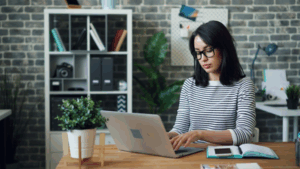
Living in a compact space is not necessary to mean compromising on comfort or liberty. With clever planning and intelligent organization, even tiny houses can be comfortable, efficient, and inviting. Space has nothing to do with how much you have but how you make use of it.
When each piece has a home and each corner has a function, itchy spaces can accommodate ambitious dreams. With creative storage and flexible layouts, invisible systems simplify everyday life and make it more enjoyable. This strategy transforms cramped spaces into compact, comfortable zones where individuals can unwind, work, and flourish without feeling cramped.
Why Space Feels Tight
Small spaces often feel overwhelming not because of their size, but because of how they’re used. When every corner is packed with belongings, even the most charming space can start to feel cramped. One of the most effective ways to create breathing room is to rethink how and where items are stored. Using flexible solutions like different storage unit sizes allows people to keep what matters without overcrowding their living area. It’s about making smart use of the space rather than trying to make it bigger.
Myth vs reality: Many believe that small spaces can never feel truly open and organized. In reality, strategic organization and thoughtful storage make a huge difference. Even tiny rooms can feel airy and functional when every inch is planned with purpose.
When the clutter is reduced and space is managed intentionally, what once felt limiting becomes surprisingly adaptable and comfortable.
Hidden Systems That Help
The key to living big in a small space is building invisible systems that work quietly behind the scenes. Instead of focusing on what can’t fit, the focus shifts to how everything can flow together. Shelving built into unused corners, under-bed compartments, foldaway furniture, and clearly defined zones can transform how a space functions day to day.
These systems don’t have to be expensive or complicated. They just need to be practical and easy to maintain. Once they’re in place, everyday life feels less chaotic and more intentional. This approach lets people enjoy their space instead of constantly fighting to keep it under control.
Smart Storage Strategies
When it comes to making the most out of small spaces, a few practical questions often come up. Simple answers can make planning and organizing much easier, especially when space is limited.
How can I make a small space feel bigger without major changes?
Start by reducing clutter and making sure every item has a designated place. Using vertical storage, mirrors, and light colors can create an open, airy feel without remodeling.
What’s the best way to store things without losing comfort?
Choose storage that blends in with the room, like under-bed drawers, baskets, or furniture that doubles as storage. This keeps the space functional without making it feel crowded.
Can I keep my space cozy and organized at the same time?
Yes. Balance is key. A few personal touches, like soft lighting or warm fabrics, keep the space inviting while smart storage keeps it tidy.
These strategies make living big in a small space achievable and comfortable.
Comfort Without Clutter
Living in a smaller home doesn’t mean giving up coziness or personality. Simple, consistent habits and smart layout choices can keep a space both organized and warm.
Fast actionable tips:
- Use furniture with hidden storage to save space.
- Store seasonal items in clearly labeled containers.
- Keep surfaces clean to make rooms look bigger.
- Maximize vertical space with shelving.
- Create designated zones for daily activities.
Common mistakes to avoid: Storing items haphazardly, buying bulky furniture, keeping too many decorative pieces, and skipping regular tidying routines all make spaces feel smaller and more stressful. Choosing light, flexible solutions helps maintain both comfort and functionality.
Real-Life Solutions
A onebedroom-apartmentdwelling couple related how a few brilliant changes to how they organized their home utterly revamped their dwelling. Working from home, both of them felt relentlessly cramped and hemmed in by furniture, personal items, and mutual work areas. Rather than upgrading to a larger residence, they chose to redesign how they utilized every inch.
They eliminated excess items, employed hidden storage to free up surfaces, and implemented multipurpose furniture. A dinner table became a collaborative work desk. Upward shelves provided them with additional space without consuming floor areas. Within weeks, they found their apartment became easier to maneuver, their routines flowed better, and they became less tensed.
Pros and cons: Good design in tight places makes day-to-day life easier, more stress-reducing, and easier to adapt to a variety of lifestyles. Clutter or bad layouts, in contrast, may mean unused areas, more frustration, and a continuing feeling of mess that grinds against the overall good.
Theirs proves that compact spaces aren’t a handicap—they’re a challenge to be deliberate. When every aspect of a home supports each other, day-from-day life goes more smoothly and a little apartment seems large.
Making It Work Long Term
Creating a sense of spaciousness in tight areas is about more than clever storage tricks. It’s about building habits and systems that last.
When people rethink how they use their space, they gain more than square footage—they gain clarity, ease, and comfort.
The hidden logistics of living big in small spaces remind us that intentional choices can turn even the tiniest home into a well-designed, welcoming place to live.