




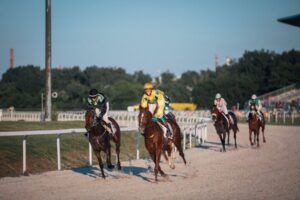
Summer is one of the most active periods on the American horse racing calendar. Historic venues welcome elite horses, major stakes races draw national attention, and competitive fields create opportunities for fans to follow the sport in greater depth. From Saratoga in New York to Del Mar in California, each meet has its own traditions, racing surfaces, and style of competition.
For anyone interested in following the season, understanding the schedule is only the beginning. Knowing which tracks host the strongest racing, which stakes races shape the championship picture, and how to evaluate a race card can make every weekend more engaging. This guide highlights the tracks, events, and practical handicapping factors worth watching throughout the 2026 summer season.
Summer Tracks Worth Following
Every major summer meet offers a different racing environment. Saratoga Race Course remains one of the premier destinations, with its expanded 2026 summer meet running from early July through Labor Day while hosting numerous Grade 1 races, including the Whitney and Travers Stakes. The combination of elite trainers, accomplished jockeys, and competitive fields makes nearly every race significant.
Del Mar provides a different atmosphere on the West Coast. Its seaside location, high-quality dirt and turf racing, and consistent participation from California’s leading stables create deep race cards throughout the summer. Monmouth Park also deserves attention thanks to the Haskell Stakes, one of the country’s leading races for three-year-olds.
Other regional tracks also produce competitive racing throughout the season.
- Ellis Park features productive summer meets with horses progressing toward larger fall events,
- Horseshoe Indianapolis regularly showcases strong state-bred programs alongside open company races,
- Colonial Downs continues expanding its national profile with quality turf competition,
- Canterbury Park and Prairie Meadows offer valuable regional stakes that attract developing talent.
Looking at each racing venue individually helps build a clearer understanding of how different circuits operate throughout the summer. Over time, recognizing the strengths of each track, the types of races they feature, and the quality of their competitors makes it easier to follow the season as a whole and appreciate how horses progress between regional and national events.
Following Regional Racing Circuits
Many experienced horse racing followers look beyond nationally televised stakes because regional circuits often reveal horses that later compete on bigger stages. Monitoring these races provides valuable context throughout the summer season.
Race cards at Horseshoe Indianapolis frequently include competitive allowance races and state-bred stakes, featuring horses that steadily improve with experience. Reviewing Horseshoe Indianapolis picks alongside official entries can help readers understand how analysts compare recent speed figures, class movement, trainer statistics, and projected race pace before each program. The emphasis remains on interpreting available information rather than relying on a single factor.
Regional circuits also allow fans to observe trainers who consistently develop young horses before shipping them to larger meets. Watching these patterns across several weeks often provides a clearer understanding of how horses progress through different levels of competition.
- Compare recent finishing positions with the quality of previous opponents,
- Note whether horses remain at the same class level or move into stronger company,
- Watch how trainers space races during busy summer schedules.
Consistently following these regional developments creates a stronger foundation for understanding the broader summer racing landscape. As horses, trainers, and jockeys move between circuits, the knowledge gained from smaller meets helps put performances at larger racing festivals into context and makes seasonal storylines easier to follow.
Stakes That Shape the Season
Summer stakes races frequently influence championship conversations long before autumn championships arrive. The Whitney Stakes at Saratoga traditionally attracts many of the country’s leading older dirt horses, while the Travers Stakes remains one of the most prestigious races for three-year-olds and is often called the Midsummer Derby. The 2026 Saratoga meet includes an extensive stakes schedule featuring more than seventy stakes races and twenty Grade 1 events.
Outside New York, the Haskell Stakes at Monmouth Park continues serving as an important summer objective for many Triple Crown participants. On the West Coast, Del Mar’s signature events help identify horses preparing for major autumn competitions, including top turf and dirt performers. These races often feature rematches between horses that met earlier in the season, giving fans meaningful performances to compare over time.
Rather than focusing only on the headline race, reviewing the supporting stakes throughout each weekend provides a broader picture of emerging horses, improving jockeys, and trainers enjoying particularly successful summer campaigns.
Reading a Race Card More Effectively
Successful race analysis begins long before horses enter the starting gate. Every race card contains information that explains how a horse has performed under different conditions. Recent finishing positions matter, but they become much more meaningful when viewed alongside race class, distance, surface preference, and pace scenarios.
Trainer and jockey statistics also deserve attention. Some trainers consistently excel with horses returning after several weeks away, while others achieve stronger results when moving horses between turf and dirt. Looking at these trends across an entire meet often reveals patterns that are easy to overlook after only one race.
Weather can also influence summer racing. Afternoon heat, changing turf conditions, or overnight rain may alter how a race develops. Reviewing track conditions together with previous performances helps explain why certain horses perform differently from one start to the next. Combining these details produces a more complete understanding of each field and encourages a thoughtful approach to following every race throughout the season.
Staying Ahead All Summer
Following American horse racing throughout the summer becomes much more rewarding when each race is viewed as part of a larger seasonal story. Horses continue developing, trainers adjust their schedules, and major stakes gradually shape the championship picture before autumn arrives. Watching these changes over several months provides valuable context that cannot be gained from a single race alone.
The strongest approach combines official entries, past performances, track-specific trends, and the evolving form of horses across different circuits. Whether following Saratoga, Del Mar, Monmouth Park, Horseshoe Indianapolis, or other regional venues, consistent observation helps build familiarity with the sport’s rhythm. As the 2026 summer season progresses, every weekend offers new storylines, emerging contenders, and memorable stakes races that continue defining American Thoroughbred racing.