





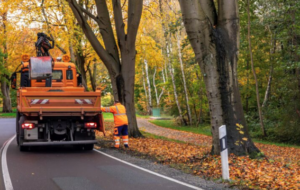
For most landscaping crews, the truck is the actual base of the business. It carries the mowers, the trimmers, the chemicals, and the crew from one job to the next, every single day. Yet the way that the truck gets loaded and organized often gets less thought than the job itself.
A rushed landscaping truck setup rarely causes trouble on day one. The problems show up later. A blade might shift loose on a turn, or a chemical container may leak near a fuel can. None of that feels dramatic in the moment. Over a full season, it adds up to lost time, damaged equipment, and avoidable safety incidents.
This guide walks through where landscaping crews typically go wrong with their truck setups. You’ll also know what a better setup looks like, and why getting this right matters beyond convenience.
Why Does Landscaping Truck Setup Deserve More Attention Than It Gets?
Most of the planning energy goes into the job rather than the vehicle that gets you there. From route order and crew assignments to the client requests, everything gets discussed. However, the truck gets loaded the same way it was loaded last week. That habit costs more than most crews realize.
- A cluttered truck slows down every stop, since tools aren’t stored where the crew expects to find them.
- Unsecured gear shifts during transport, and rough roads turn that shift into cracked housings or bent blades.
- Chemicals stored next to fuel or tools raise fire and contamination risks that stay hidden until something goes wrong.
- A disorganized truck at a client’s property signals a disorganized crew, even when the work itself is solid.
These costs rarely show up as one big incident. They show up as a blade that didn’t survive the drive or a client who questions before the crew even steps out of the truck. That’s exactly why the setup deserves a second look, before it costs you more than a few wasted minutes.
Where Do Most Landscaping Crews Cut Corners?
Most crews aren’t ignoring safety on purpose. They’re moving fast, and a few habits slip through unnoticed until they cause a real problem.
Unsecured Equipment During Transport
Mowers, trimmers, and blades often get loaded without proper tie-downs, especially during busy weeks. Equipment can shift during braking or turns, damaging both the gear and anything nearby. A few extra minutes spent securing equipment before each route prevent most of this damage.
No Separation Between Fuel, Chemicals, and Tools
Fuel cans, fertilizers, or pesticides frequently ride in the same compartment as hand tools. This raises the risk of leaks and cross-contamination between products. Dedicated, ventilated storage for chemicals keeps this exposure contained and away from your crew.
Skipping Trailer and Hitch Checks
Couplers, safety chains, or brake connections often get a quick glance rather than a thorough inspection. A worn hitch or a loose chain can fail under load, which puts both the equipment and other drivers at risk. This is one of the most overlooked parts of a landscaping truck setup. It is largely because problems build slowly and stay invisible until they fail.
Poor Tool Organization Costs Time
Without labeled storage, crews dig through the truck to find the right tool at every stop. That search adds up fast across a full route, turning quick jobs into slow ones. Labeled bins and mounted racks fix this for a modest cost. Most crews notice the time saved within the first week.
Missing or Faded Safety Markings
Reflective tape peels, lights burn out, signage fades, and crews often don’t notice until someone points it out. This quickly becomes dangerous on early-morning or evening routes, when other drivers already have limited visibility. Therefore, a weekly check of these markings should be standard practice.
This isn’t just about protecting your gear. A truck that’s properly marked and well-maintained is easier to insure, and it puts you in a stronger position if you ever need to defend a claim tied to a landscaping business insurance policy.
How Should a Truck Be Organized for a Faster, Safer Workday?
A well-organized landscaping truck setup saves real time throughout the workday, and this is how you can do that:
- Group tools by task so that mowing equipment and trimming gear, along with hand tools, each have a dedicated zone.
- Use labeled bins for smaller items like blades and safety gear, so nothing gets buried.
- Keep PPE accessible near the cab. Don’t store it under equipment where it gets ignored.
- Balance the weight across the truck bed and trailer to avoid uneven handling on the road.
- Mount a fire extinguisher and first aid kit somewhere visible and reachable, never behind loaded gear.
These changes don’t require a major investment. They mostly require a system and the discipline to stick with it every day.
How Does a Weak Truck Setup Turn Into a Liability Problem?
Every gap covered above eventually becomes more than an inconvenience. Unsecured equipment can strike another vehicle during a hard stop. A chemical spill on a client’s property can trigger a cleanup dispute. A trailer failure on a highway puts your crew and other drivers directly at risk.
These situations move quickly from operational issues into financial and legal ones. A single roadway incident involving landscaping equipment can result in property damage claims, injury claims, or both. Add in potential damage to a client’s landscaping or hardscaping, and the exposure grows further.
A landscaping truck setup that ignores these details isn’t just a safety gap. It’s a business risk that grows quietly until a specific incident forces it into the open.
Building a Maintenance Routine That Protects the Investment
A solid landscaping truck setup only stays solid with consistent upkeep. Skipping regular checks undoes even the best initial setup within a few months.
- Tire wear and pressure: Inspect it before every busy week, rather than just once a season.
- Trailer brakes and hitch connections: Check on a set schedule. Don’t wait until something feels off.
- Rust or corrosion around mounting points: Look for these regularly, since they weaken tie-down strength over time.
- Tool racks and bins: Re-tighten them periodically, as vibration loosens hardware faster than most crews expect.
- A written maintenance log: Keep a simple record of what was checked and when, so nothing gets missed during busy seasons.
Treating this as a routine is what separates a truck that holds up all season from one that breaks down at the worst possible time.
Landscaping businesses that take their truck setup seriously tend to run tighter operations overall. That discipline naturally extends to how they manage risk. NIP Group offers LandPro, a program built specifically for landscaping and lawn care businesses. It covers general liability, workers’ compensation, commercial auto, inland marine, and pollution liability under one program. Moreover, it’s designed around how this industry runs. LandPro is also backed by carriers rated A and A+ by A.M. Best. This means they have the financial capacity to honor their commitments when a real claim comes in.
FAQs
1. What size truck do you need for a landscaping business?
The size you need depends on your crew size and equipment load. A single-operator setup often uses a half-ton pickup. Multi-crew operations usually require a one-ton truck or a flatbed to carry mowers, trailers, or bulk materials.
2. How much does it cost to set up a landscaping truck for a new business?
The spend varies widely based on what you’re adding. Rough starting points include:
- A basic pickup with a trailer hitch: a few thousand dollars in modifications
- Custom racks, ramps, and toolboxes: several thousand more
- A dedicated equipment trailer: often the highest single cost
Most new operators phase these upgrades in as revenue grows.
3. Do you need a special license to drive a landscaping truck with a loaded trailer?
It depends on the combined weight of your truck and trailer. Many states require one once the combined weight crosses 26,001 pounds. So check your state’s specific threshold before adding a heavier trailer.
4. What permits or signage does a landscaping truck legally need?
Most states require visible business name signage on commercial vehicles, along with a DOT number if the truck exceeds a certain weight threshold. Requirements vary, so confirm with your local DMV before your first season.