

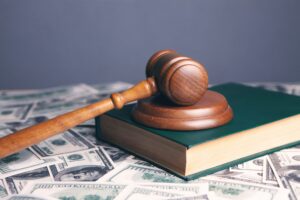
In March, the New York Senate Racing, Gaming, and Wagering Committee unanimously approved a bill to ban sweepstakes gaming in New York. Legislation has moved to the Senate floor, which could prohibit “online sweepstakes games and revenue from illegal markets”.
SBC Americas described the meeting to discuss the bill, proposed by Chair Joseph Abbaddo, as “very brief.” Abbaddo has also filed iGaming legislation and described sweepstakes as a “growing issue”.
Sweepstakes casinos offer similar games to other casinos, but the games are played with coins. Some coins are free, but players can also purchase more with real cash. If players win, they can then convert coins into cash or prizes.
Regulation
Critics of sweepstakes, as per yogonet.com, “argue these platforms operate in a legal gray area, offering gambling-like experiences without state oversight.”
The bill stated concern over the widespread availability of sweepstakes on mobiles and computers, “including to minors.”
Some sweepstakes aren’t subject to the same safeguards – including responsible gambling policies, anti-money laundering measures, and consumer protections – as traditional casinos. However, they have become a hugely popular pastime for many Americans, and in New York, sweepstakes casinos are commonplace and still legal to play in most states.
Fines
The S5935 bill has called for fines of $10,000-$100,000 per violation. It is targeting payment processors, gaming platforms, and financial institutions, among others, and would make it illegal for these sectors to support sweepstakes.
Financial penalties are not unusual in gambling enforcement, but they can raise questions about fairness. Critics argue that such penalties may push companies to avoid even tangential involvement with gaming to reduce liability.
Overreach?
The Social and Promotional Games Association (SPGA) announced that it strongly denounced the bill’s “blatant overreach”. The legislation, according to the SPGA, “recklessly mischaracterizes” sweepstakes gaming.
Claims of overreach aren’t new in gambling regulation. Critics have long argued that more aggressive legislation blurs the line between consumer protection and government interference. Some point to the possibility of well-intentioned laws leading to unwanted consequences, such as driving players to illegal operators. Others warn that overly broad language in anti-gambling laws can cause confusion regarding legitimate promotions and skill-based games, potentially causing unnecessary legal risk for businesses.
Elsewhere in the US
New York isn’t the only state to target sweepstakes. Maryland is closer to banning them. Connecticut and Mississippi have also filed similar bills. The latter senate overwhelmingly voted in favor of the bill, 44-1. EGR Global reported, “each violation of its conditions would be deemed a felony, punishable by a $100,000 fine, a prison sentence of up to 10 years, and a forfeiture of assets.” If the House of Representatives approves the bill, it will be effective from July 1, 2025.
State attorneys general and prohibitions
Forbes contributor Daniel Wallach argued in February, “A more effective and efficient way to combat the proliferation of online sweepstakes casinos is through the vast civil enforcement powers of state attorneys general”. He said that they are less burdened by arbitration clauses and issues of standing, both of which can derail private civil lawsuits. State attorneys general, says Wallach, “can also pursue second-tier actors” like banks and payment processors.
In New York, executive law empowers the Attorney General to seek “restitution and damages” from companies offering illegal online gambling. The People ex rel. Vacco v. World Interactive Gaming Corp. case resulted in an injunction against World Interactive and “an order of restitution against its principals, officers, and directors”. It made them liable for the actions of the Antiguian-based casino.
Wallach suggested that dozens of cease-and-desist orders could become “an endless game of ‘whack-a-mole’” and may be less effective than one major case and forced payment of tens or hundreds of millions of dollars to consumers and state treasuries.
He noted that sweepstakes operators in New York, California, and Florida faced “heightened vulnerability”. These states have “constitutionally-enshrined prohibitions limiting casino gambling” and some of the strictest anti-gambling statutes in the US.
What’s next?
It won’t be only Harlem and other New York neighborhoods that are affected by the Senate vote. As the bill moves to the Senate floor, the outcome may influence how other states approach sweepstakes. Critics will applaud the bill for protecting consumers and the market, but others will be wary of overregulation that could hinder business.
Industry stakeholders will closely watch what happens in New York, particularly as similar bills progress in Maryland and elsewhere. If passed, New York’s bill could create significant ripple effects across the financial and tech sectors.
For casino and sweepstakes players, their experiences could change dramatically. Many players choose sweepstakes casinos for the reduced regulation. A ban may push some consumers towards platforms overseas.
Supporters of the bill argue that this is the concern: sweepstakes games are designed to mirror real-money gambling without proper regulation. The debate reflects wider concerns about how newer gaming models fit into existing laws.
If the legislation passes, enforcement could prove complex and contentious. Regardless of the immediate outcome, momentum appears to be building nationwide. As more states target sweepstakes platforms, operators may overhaul their business models or exit the market.
The era of sweepstakes operating in a legal gray zone may be coming to an end. Whether through legislation, litigation, or enforcement by attorneys general, the spotlight on sweepstakes is unlikely to fade any time soon.