



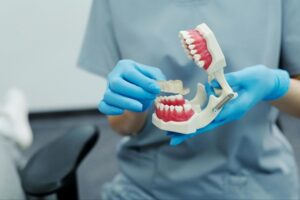
During a dental veneers procedure in Las Vegas, patients can expect a series of precise steps designed to enhance their smile. For those seeking affordable dental veneer treatments in Las Vegas, the process begins with an initial consultation to discuss desired outcomes and explore available veneer options. Preparation involves reshaping the teeth, taking impressions, and placing temporary veneers. After custom veneers are crafted, they are meticulously fitted and bonded for a natural look. With proper care, these enhancements promise lasting benefits, inviting curiosity about each detailed phase.
Scheduling Your Initial Consultation
The initial consultation for dental veneers in Las Vegas is a fundamental step in the treatment process, as it allows the dental professional to evaluate the patient’s oral health and discuss their aesthetic goals. The first task involves booking an appointment, which can be arranged via phone or online platforms. During this phase, the patient’s dental history and veneer expectations are outlined, ensuring a thorough understanding of their needs. Confirming requirements is indispensable; it involves examining the structural integrity of the teeth and gums through a detailed examination and diagnostic imaging. This evaluation ensures the patient is a suitable candidate for veneers, while also identifying any pre-existing conditions that may need addressing prior to the procedure. Effective scheduling and preparation set the foundation for successful treatment outcomes.
Discussing Your Desired Outcomes
During the consultation for dental veneers, patients should clearly articulate their aesthetic preferences to guarantee alignment with the dentist’s proposed treatment plan. It is vital to set realistic expectations regarding the outcomes, as this can influence satisfaction with the final results. Additionally, communicating any specific concerns enables the dentist to address potential issues and customize the procedure to meet individual needs.
Clarifying Aesthetic Preferences
Clarifying a patient’s aesthetic preferences is a pivotal step in the dental veneers process, guaranteeing that the desired outcomes align with the individual’s vision. This phase involves a detailed discussion of color preferences and a thorough review of smile design to tailor the veneers to the patient’s personal style.
Key considerations include:
- Teeth Color: Discussing color preferences to achieve natural or brighter shades.
- Smile Symmetry: Reviewing smile design to guarantee balanced and harmonious appearance.
- Tooth Shape: Customizing tooth shapes to complement facial features.
- Alignment: Addressing minor misalignments for a uniform look.
- Length and Width: Adjusting these dimensions for optimal aesthetics.
These discussions are essential for dentists to translate the patient’s aesthetic desires into a successful veneer application.
Setting Realistic Expectations
Understanding a patient’s aesthetic preferences naturally leads to setting realistic expectations for the veneer procedure. It is essential for the dental professional to align these preferences with feasible outcomes, ensuring both parties are clear on the achievable results. Managing expectations involves a thorough discussion on the limitations and capabilities of veneers. This includes addressing factors such as tooth color, shape, and alignment.
The dentist should clearly define the procedural steps, helping to establish a realistic time frame for completion. This includes preparation, fitting, and potential adjustments. By setting time frames, patients can anticipate the duration and number of visits required. Ultimately, transparency in expected outcomes and timelines fosters patient satisfaction, reducing misunderstandings and enhancing overall experience with the dental veneers procedure.
Communicating Specific Concerns
Effective communication between the dentist and patient is indispensable when discussing desired outcomes for dental veneers. This dialogue ensures that both parties are aligned, efficiently addressing concerns and voicing expectations. The patient should clearly articulate their aesthetic goals, while the dentist explains the technical possibilities and limitations of the procedure. This mutual understanding helps in formulating a treatment plan tailored to the patient’s needs.
Key points to bear in mind include:
- Clarifying aesthetic goals: Patients should describe the color, shape, and alignment they envision.
- Discussing treatment limitations: Dentists should explain what is technically achievable.
- Reviewing material options: Different veneer materials may offer varied results.
- Understanding maintenance requirements: Post-procedure care is vital for longevity.
- Addressing potential risks: Discuss any possible complications or side effects.
Understanding the Veneer Options Available
When considering dental veneers, it is essential to recognize the variety of options available to suit different aesthetic and functional needs. Veneer material options primarily include porcelain and composite resin. Porcelain veneers are renowned for their durability and ability to mimic natural tooth enamel closely, while composite resin offers a more cost-effective and quicker solution, albeit with less durability. Veneer shade considerations play a critical role in achieving a natural-looking smile. Patients must evaluate various shades to match their existing teeth or achieve the desired brightness. The chosen shade should align with the individual’s skin tone and personal preferences. Both material and shade selection require careful consultation with a dental professional to guarantee the best outcome for the patient’s specific requirements.
Preparing Your Teeth for Veneers
Selecting the appropriate material and shade is only the initial step in the process of obtaining dental veneers. The tooth preparation process is critical for guaranteeing a successful veneer application. This involves minimally reshaping the tooth surface, approximately 0.5mm, to accommodate the veneer. This step is essential for:
- Guaranteeing proper veneer fit and alignment
- Avoiding unnatural tooth bulk
- Maintaining gum health during and after application
- Achieving ideal aesthetic outcomes
- Enhancing long-term durability of the veneer
Local anesthesia may be administered to ensure comfort during the procedure. Dental impressions required for custom veneers are typically taken after tooth preparation. These impressions capture the precise dimensions and shape of the prepared teeth, enabling the creation of veneers that fit seamlessly and function effectively.
Taking Impressions for Custom Veneers
After the tooth preparation, the process of taking impressions for custom veneers is a critical step that guarantees precise fitting and excellent functionality. Utilizing a dental impression material, the dentist captures an exact mold of the prepared teeth. This step involves making molds that replicate the oral cavity’s contours, ensuring the custom veneers align correctly. The impression material, often a polyvinyl siloxane or alginate, is placed in a tray and inserted into the patient’s mouth for several minutes, allowing it to set and harden. Once removed, the impression shows detailed tooth anatomy, which is essential for crafting veneers that fit seamlessly. The molds are then sent to a dental laboratory where skilled technicians fabricate the custom veneers tailored to the patient’s dental structure.
Placing Temporary Veneers
Temporary veneers serve as a protective and aesthetic solution while awaiting the fabrication of permanent veneers. During the procedure, the dentist meticulously prepares the teeth by slightly reshaping them to guarantee a proper fit for the temporary veneers. Typically, these temporary veneers are worn for a duration of one to two weeks, allowing patients to maintain normal oral function and appearance.
Temporary Veneers Purpose
Why are temporary veneers an essential step in the dental veneer procedure? Temporary veneers play a vital role by safeguarding the underlying tooth structure and enhancing aesthetics during the interim phase. They serve as a protective barrier, reducing sensitivity and potential damage to the prepared teeth before the permanent veneers are placed.
Temporary veneers also allow patients to envision the final outcome and provide feedback, ensuring satisfaction with the eventual results. Key benefits include:
- Protecting tooth structure by covering exposed surfaces.
- Improving aesthetics of the smile temporarily.
- Allowing adjustments in shape and size for ideal fit.
- Facilitating adaptation to the new bite and alignment.
- Offering a preview of the final appearance, enabling necessary modifications.
These functions contribute greatly to the success of the overall veneer procedure.
Preparing Your Teeth
Before placing temporary veneers, the preparation of teeth is a critical step in guaranteeing the successful application and longevity of the veneers. This process begins with tooth reshaping, where a small amount of enamel is carefully removed from the tooth surface. Enamel preparation is essential to accommodate the added thickness of the veneers and to maintain a natural appearance. The dentist meticulously removes just enough enamel to preserve tooth integrity while creating space for the veneer. Precise enamel preparation also contributes to ideal adhesion, preventing future detachment. Throughout the procedure, the dentist uses specialized instruments to sculpt the teeth, ensuring each is uniquely tailored for a perfect fit. This preparation is crucial for achieving the desired aesthetic and functional outcomes.
Temporary Veneers Duration
How long do temporary veneers need to remain in place before permanent veneers are applied? Typically, temporary veneers are worn for one to two weeks. This period allows for the fabrication of the permanent veneers and guarantees that any adjustments can be made if necessary. The temporary veneer lifespan is designed to accommodate this duration, maintaining both aesthetics and function.
Key considerations regarding temporary veneers include:
- Lifespan: Generally lasts 1-2 weeks.
- Durability: Made from less durable materials compared to permanent veneers.
- Functionality: Designed to protect prepared teeth and maintain oral function.
- Aesthetics: Mimics the appearance of natural teeth to ensure confidence.
- Adjustment: Allows time for any necessary changes before final placement.
These veneers offer a short-term solution while waiting for the permanent ones.
Receiving Your Custom Veneers
The moment a patient receives their custom veneers marks a significant stage in the dental restoration process. Initially, the dentist safeguards the treatment area is adequately numbed to minimize discomfort during the procedure. This careful preparation is vital for patient comfort and successful application. Custom veneers are designed to fit precisely over the natural tooth, thereby protecting tooth structure while enhancing aesthetics. The dentist meticulously checks each veneer, confirming it aligns accurately with the patient’s dental anatomy. This involves verifying the fit and shade to guarantee it complements the patient’s natural teeth. By protecting tooth structure, custom veneers offer a conservative approach to dental restoration, preserving as much of the natural tooth as possible while achieving the desired cosmetic results.
Fitting and Bonding the Veneers
Upon confirming the accurate fit and shade of each custom veneer, the dentist proceeds to the fitting and bonding stage. This involves meticulous steps to guarantee optimal placement and longevity. The dentist begins by slightly etching the tooth surface to promote strong adhesion. Following this, a dental adhesive is applied to the prepared tooth, and the veneer is carefully positioned.
Critical adjustments may include:
- Adjusting veneer fit to ensure seamless integration with surrounding teeth.
- Trimming excess material to prevent discomfort or interference with bite.
- Using a curing light to harden the adhesive, securing the veneer in place.
- Evaluating bite alignment to confirm no interference with natural occlusion.
- Polishing the veneer edges for a smooth, natural finish.
These steps guarantee a durable, aesthetic result.
Caring for Your New Veneers
Once the veneers are securely in place, maintaining their longevity and appearance requires proper care. Essential to this is maintaining dental hygiene, which involves brushing at least twice daily and flossing regularly. Utilizing non-abrasive toothpaste is recommended to prevent surface scratches. Routine dental check-ups are vital for monitoring veneer condition and oral health. Additionally, patients should avoid staining foods like coffee, tea, and red wine, as these can discolor the veneers over time. Smoking should also be avoided to prevent staining and potential damage. Protective measures, such as wearing a mouthguard during sports, can avert chipping. By adhering to these guidelines, individuals can maximize the lifespan and aesthetics of their veneers, ensuring they remain a durable and visually pleasing dental solution.
Frequently Asked Questions
How Long Do Dental Veneers Typically Last?
Dental veneers typically last 10 to 15 years with proper dental hygiene maintenance. Routine checkups and cleanings are vital for maximizing their lifespan, ensuring their aesthetic and functional integrity remain intact over time. Regular professional assessments are recommended.
Can Veneers Stain or Discolor Over Time?
Dental veneers can stain or discolor over time if proper dental hygiene is not maintained. While porcelain veneers resist staining, composite veneers are more prone to discoloration due to food staining propensity and require regular professional cleaning.
Are There Any Dietary Restrictions With Veneers?
Veneers require certain maintenance requirements, including dietary considerations. Foods to avoid include hard items like nuts, ice, and hard candies, which can damage veneers. Additionally, excessive consumption of staining agents like coffee, tea, and red wine should be minimized.
What Is the Cost Range for Veneers in Las Vegas?
In Las Vegas, veneers typically range from $800 to $2,500 per tooth. Many dental practices offer payment plans and financing options to make the procedure more accessible, allowing patients to manage the costs effectively over time.
Can Veneers Be Replaced if Damaged?
Yes, veneers can be replaced if damaged. The veneer replacement process involves removing the old veneer and preparing the tooth for a new one. Veneer repair options depend on the extent of damage and material type.