

Professional dry eye treatment services offer essential relief for individuals suffering from this prevalent ocular condition. By employing advanced diagnostic tools, eye care specialists can precisely identify the underlying causes, such as meibomian gland dysfunction or insufficient tear production. Personalized treatment plans, incorporating therapies like intense pulsed light therapy and autologous serum eye drops, effectively target symptoms and improve tear film stability. This evidence-based approach guarantees patients receive customized solutions that enhance their overall visual comfort and quality of life.
Understanding Dry Eye Syndrome
What precisely causes dry eye syndrome, and how can it be effectively managed? Dry eye syndrome occurs when there is a disruption in the natural tear production or an imbalance in the tear film composition. The tear film, a multi-layered structure, is essential for ocular surface lubrication and nourishment. Deficiencies or alterations in the aqueous, lipid, or mucin layers of the tear film can lead to inadequate eye moisture. Evidence-based management focuses on restoring tear film homeostasis. Artificial tear supplements, anti-inflammatory medications, and punctal plugs are common interventions. These treatments aim to enhance tear film stability and stimulate natural tear production. Patient-focused strategies, such as environmental modifications and dietary changes, also play a role in mitigating symptoms and improving ocular health.
Symptoms and Causes of Dry Eye
Dry eye syndrome is characterized by symptoms such as persistent ocular discomfort, blurred vision, and a sensation of grittiness. The condition arises from various etiological factors, including meibomian gland dysfunction, systemic diseases, and environmental influences. Understanding these symptoms and underlying causes is vital for developing effective management strategies tailored to patient needs.
Common Dry Eye Symptoms
For individuals experiencing dry eye, a common array of symptoms can greatly impact daily life. Clinically, patients often report persistent eye discomfort, characterized by sensations of burning, stinging, or grittiness. These symptoms are primarily attributed to tear film disruption, which impairs the eye’s natural lubrication and protective mechanisms. Inadequate tear production or excessive evaporation can lead to visual disturbances, including blurred vision, fluctuating acuity, and light sensitivity. Studies suggest that prolonged screen use, environmental factors, and contact lens wear may exacerbate these symptoms, further affecting quality of life. Additionally, patients frequently experience redness and a sensation of having foreign bodies in the eye. Prompt recognition and management of these symptoms are vital for maintaining ocular health and minimizing the risk of long-term complications.
Underlying Causes of Dry Eye
Although dry eye syndrome is a multifactorial condition, its underlying causes can typically be categorized into two primary mechanisms: reduced tear production and increased tear evaporation. Reduced tear production may result from chronic health conditions such as Sjögren’s syndrome or rheumatoid arthritis. These autoimmune disorders lead to lacrimal gland dysfunction, impairing adequate tear secretion. Increased tear evaporation is frequently attributed to underlying environmental factors like low humidity, wind exposure, and excessive screen time, which exacerbate tear film instability. Furthermore, meibomian gland dysfunction plays a substantial role by reducing the lipid layer of the tear film, further promoting evaporation. Understanding these etiologies is crucial for clinicians to tailor patient-focused treatment strategies, ensuring effective management of dry eye syndrome tailored to individual needs.
Importance of Professional Treatment
Professional treatment for dry eye syndrome is paramount due to the necessity of expert diagnostic accuracy, which guarantees precise identification of underlying causes. Personalized treatment plans are formulated to address the unique ocular health needs of each patient, optimizing therapeutic outcomes. Accessing skilled dry eye services in Mandan ensures patients benefit from advanced treatment techniques that can greatly enhance symptom relief and improve overall quality of life.
Expert Diagnosis Accuracy
Accurate diagnosis plays a pivotal role in the effective management of dry eye disease, underscoring the necessity of professional treatment for ideal patient outcomes. A detailed evaluation can differentiate between various etiologies and severity levels, thereby guiding optimal therapeutic interventions. Expertly conducted assessments provide:
- Comprehensive Symptom Analysis: Identifying specific discomforts linked to dry eye disease.
- Tear Film Assessment: Evaluating tear production and stability for tailored management.
- Ocular Surface Examination: Detecting subtle changes in the corneal and conjunctival tissues.
- Risk Factor Identification: Recognizing environmental and systemic contributors to dry eye pathology.
These facets of diagnosis enhance precision in clinical decision-making, fostering improved treatment efficacy. In professional settings, accuracy in diagnosing dry eye disease is paramount, laying the foundation for outcomes that align with patient-specific needs.
Personalized Treatment Plans
A tailored approach to dry eye treatment is essential for maximizing therapeutic outcomes, as it addresses the unique clinical presentation of each patient. Professional treatment services emphasize the importance of customized management strategies, ensuring therapies align with specific etiological factors and severity levels. By considering individual variations in symptomatology and underlying causes, clinicians can develop effective interventions tailored to each patient’s needs. Personalized treatment plans integrate evidence-based practices, facilitating precise therapeutic adjustments.
Furthermore, individualized monitoring approaches are critical to evaluating therapeutic efficacy and modifying treatment regimens as necessary. This patient-focused methodology enhances adherence and satisfaction, promoting long-term management of dry eye disease. Comprehensive assessment and continuous monitoring facilitate timely interventions, minimizing disease progression and enhancing quality of life. Ultimately, professional oversight in personalized treatment plans is pivotal for achieving the best patient outcomes.
Advanced Treatment Techniques
Numerous advanced treatment techniques are revolutionizing the management of dry eye disease, underscoring the importance of professional intervention. These innovative techniques employ cutting-edge therapies, enhancing patient outcomes greatly. A professional’s role is essential in employing these evidence-based approaches, ensuring a thorough, individualized treatment plan. Key advanced techniques include:
- Intense Pulsed Light (IPL) Therapy: Targets meibomian gland dysfunction, reducing inflammation.
- Lipid Layer Enhancement: Restores the stability of the tear film by augmenting lipid production.
- Punctal Occlusion: Minimizes tear drainage to improve ocular surface hydration.
- Autologous Serum Eye Drops: Utilizes patient’s own serum to promote healing and lubrication.
These therapies require expert evaluation and application, highlighting the necessity of professional care in achieving optimal dry eye management.
Comprehensive Eye Assessments
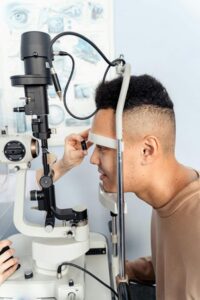
While guaranteeing patient comfort, thorough eye assessments form the cornerstone of diagnosing and managing dry eye conditions effectively. A comprehensive approach involves an objective eye health evaluation, utilizing advanced diagnostic tools to assess tear film stability, ocular surface integrity, and meibomian gland function. Clinicians systematically evaluate these parameters to determine the severity and underlying etiology of the dry eye condition. In addition, a personalized dry eye assessment is essential, taking into account individual patient symptoms, lifestyle factors, and medical history. This tailored evaluation allows for precise identification of contributing factors, facilitating targeted interventions. By integrating patient-reported outcomes with clinical findings, healthcare providers can deliver evidence-based, patient-centered care. This comprehensive assessment strategy ensures optimal management of dry eye disease, enhancing patient satisfaction and visual comfort.
Personalized Treatment Plans
Establishing personalized treatment plans is imperative in the effective management of dry eye disease, as each patient’s condition and contributing factors can vary considerably. A systematic approach to tailor interventions involves:
- Comprehensive Patient Evaluation: Conducting a detailed assessment to identify specific etiologies and severity levels, enabling the formulation of customized treatment approaches.
- Diagnostic Testing Utilization: Employing diagnostic tools to provide evidence-based insights, facilitating targeted therapy recommendations.
- Patient-Specific Factors Consideration: Taking into account the patient’s lifestyle, medication use, and environmental influences to optimize treatment efficacy.
- Ongoing Monitoring and Adjustment: Regular follow-ups to assess therapeutic outcomes and modify the treatment plan as necessary to guarantee sustained symptom relief.
This patient-focused strategy enhances treatment adherence and improves overall quality of life for those affected by dry eye disease.
Advanced Therapeutic Options
A variety of advanced therapeutic options are available for the management of dry eye disease, each designed to address specific pathophysiological mechanisms. Evidence-based innovative therapies, such as intense pulsed light (IPL) and thermal pulsation, have shown efficacy in targeting meibomian gland dysfunction. These cutting edge solutions improve lipid layer stability, enhancing tear film quality. Additionally, autologous serum eye drops, derived from the patient’s own blood, offer personalized biological treatment, promoting ocular surface healing and reducing inflammation. Lipid-based artificial tears and hydroxypropyl cellulose inserts are also employed to enhance tear retention and ocular surface lubrication. Such patient-focused strategies are crucial in mitigating symptoms, improving visual quality, and enhancing overall quality of life for individuals suffering from dry eye disease.
Benefits of Professional Care
In addition to advanced therapeutic options, seeking professional care is paramount in the effective management of dry eye disease. Professional care offers numerous benefits that contribute to improved eye health and reduced eye irritation. Key advantages include:
- Comprehensive Evaluation: Professionals conduct thorough evaluations, identifying underlying causes and gauging severity to tailor effective treatment plans.
- Evidence-Based Treatment: Clinicians utilize interventions supported by scientific research, guaranteeing patients receive the most current and effective therapies.
- Personalized Management: Individual treatment regimens are developed, addressing specific patient needs and promoting ideal ocular surface health.
- Ongoing Monitoring: Regular follow-ups enable adjustments to treatment plans, guaranteeing sustained relief and preventing potential complications.
Professional care guarantees an evidence-based approach, fostering long-term improvements and minimizing discomfort associated with dry eye disease.
Technologies in Dry Eye Treatment
The landscape of dry eye treatment is rapidly evolving with the integration of advanced technologies, offering patients innovative solutions for symptom relief and management. Novel treatment modalities, such as Intense Pulsed Light (IPL) therapy, have shown promise in improving meibomian gland function and reducing inflammation. Additionally, devices like LipiFlow utilize thermal pulsation to enhance lipid layer stability, addressing evaporative dry eye conditions. These advancements complement existing dry eye management strategies, such as punctal plugs and artificial tear formulations, providing thorough care. Besides, diagnostic tools like ocular surface interferometry and in vivo confocal microscopy are refining the assessment and personalization of treatment plans. By leveraging these technologies, clinicians can offer targeted interventions, extensively improving patient outcomes in dry eye disease management.
Long-Term Relief and Prevention Strategies
Effective strategies for long-term relief and prevention of dry eye disease involve a multi-faceted approach that prioritizes both symptom management and underlying cause mitigation. Lifestyle adjustments and environmental modifications are essential. Evidence-based practices include:
- Hydration: Adequate fluid intake supports tear production and ocular surface health.
- Dietary supplements: Omega-3 fatty acids have shown efficacy in reducing inflammation and improving tear stability.
- Environmental modifications: Utilizing humidifiers and avoiding direct air currents reduce evaporative stress on the eyes.
- Screen time management: Regular breaks during screen use can mitigate digital eye strain, a significant contributor to dry eye symptoms.
Patient-focused interventions emphasize adherence to these strategies, promoting sustained relief and minimizing disease progression. Clinicians should tailor recommendations to individual patient needs for ideal outcomes.
Frequently Asked Questions
How Often Should I Schedule Follow-Up Appointments for Dry Eye Treatment?
Follow-up appointments should be scheduled every 3 to 6 months, depending on the severity of symptoms and response to treatment. Customized treatment plans and frequent monitoring guarantee effective management and adjustment based on the patient’s evolving clinical needs.
Are There Any Home Remedies That Can Complement Professional Dry Eye Treatments?
Warm compress therapy and a consistent eyelid hygiene routine can effectively complement professional treatments. These methods enhance tear secretion and alleviate symptoms by improving eyelid function, consequently contributing to overall ocular surface health and patient comfort.
How Do Lifestyle Changes Impact the Effectiveness of Dry Eye Treatments?
Lifestyle changes substantially impact dry eye treatment effectiveness. Modifying environmental factors, such as humidity control, and adjusting daily routines, like increased blink frequency during screen use, can enhance therapeutic outcomes, reducing symptom severity and improving patient quality of life.
What Should I Discuss With My Doctor Before Starting a New Dry Eye Treatment?
Patients should discuss prescription medication considerations, potential side effects, and any existing health conditions with their doctor before starting new dry eye treatments to guarantee a tailored approach that maximizes efficacy while minimizing risks.
Can Diet or Hydration Affect Dry Eye Symptoms and Treatment Outcomes?
Diet and hydration notably impact dry eye symptoms and treatment outcomes. Adequate nutrient intake, including omega-3 fatty acids, and essential tear production factors, enhancing tear film stability and reducing ocular surface inflammation, benefiting patient outcomes.