

Many people assume that a damp feeling under their home is just a natural part of owning property with a dirt floor. They expect the space to be a bit musty or cool during the rainy season. This acceptance often leads to ignoring the slow buildup of moisture that eventually impacts the entire house.
Persistent dampness does not just go away on its own when the sun comes out. Even if you try to use a simple fan or open the vents, the humid air stays trapped against the wooden supports. These basic efforts are rarely enough to stop the heavy saturation that occurs deep within the soil.
Lasting solutions require moving beyond simple drainage to a strategy that manages the environment as a complete system. By focusing on how water enters and moves, you can transform a swampy zone into a dry and reliable foundation. This comprehensive approach is the core of effective crawl space waterproofing.
When moisture is controlled at its source, the crawl space shifts from being a liability to a stabilizing part of the home. Over time, this protection helps preserve structural materials and improves conditions throughout the living space above.
Sources of Foundation Moisture
Ground vapor is the most consistent source of moisture, as the earth is always releasing water upward through the soil. Even if the surface looks dry, the layers beneath are saturated and looking for a path to escape. This constant evaporation keeps the air under the house in a perpetual state of high humidity.
Groundwater pressure also plays a major role during the wet months when the water table begins to rise. This force pushes liquid through the foundation walls and up through the floor without any warning. It is a powerful physical event that can easily overcome a foundation that lacks a proper defense system.
Surface runoff from the yard or the roof adds another layer of complexity to the moisture management puzzle. If gutters are clogged or the ground slopes toward the house, every rain event funnels water directly toward the crawl space. Managing these external factors is the only way to reduce the load on the interior components.
Systems Working Together
Control systems work by addressing the atmosphere and the physical liquid at the same time. It is not enough to just dry the surface, you must stabilize the relative humidity to prevent the return of dampness. This involves using barriers and machines that work in harmony to keep the air predictable.
Pumps and drains are the muscles of the system, moving active liquid away from the structure before it pools. These mechanical parts ensure that even during a heavy storm, the foundation stays clear of standing water. When these pieces are integrated into a larger plan, they provide a level of security that a single fix cannot.
Consistency is the final goal of a well designed system that treats the foundation as a whole. You want an environment that stays the same regardless of what is happening in the yard or the sky. By creating a controlled zone, you eliminate the variables that usually lead to rot and mold growth.
Short Term vs Long Term Results
Short term results often involve a quick blast of dry air from a fan or a portable heater. While this might make the floor look better for a day, it does nothing to stop the vapor coming from the earth. The dampness will return as soon as the machines are turned off and the sun goes down.
Long term moisture management is about changing the environment so that the dampness can never take hold again. This requires a permanent installation that seals the ground and manages the air quality twenty four hours a day. It is a proactive stance that protects the structure for the life of the home.
Reliability is the difference between a temporary patch and a professional waterproofing strategy. You want a solution that you can trust when a record breaking storm hits your neighborhood. Focusing on the long term ensures that your investment remains a safe and healthy place for your entire family.
Impact on Materials and Durability
Wood durability depends entirely on a dry environment to prevent the growth of fungi and the onset of rot. When the joists are exposed to constant humidity, they soften and lose their ability to support the weight of the house. Keeping the air dry is the best way to ensure the floors remain level and strong.
Insulation performance is another major factor that is compromised by the presence of unmanaged moisture. Damp fiberglass batts lose their R-value and often become heavy enough to fall out of the floor joists entirely. Protecting the insulation ensures that your energy bills stay low and your home stays comfortable.
Structural longevity is the ultimate reward for maintaining a dry and healthy crawl space over the years. By stopping the decay before it starts, you avoid the need for expensive structural repairs and leveling. A dry foundation is the backbone of a solid property that holds its value for a lifetime.
What Homeowners Should Expect
Homeowners should realistically expect a major shift in how their house feels once the dampness is under control. The musty smells will disappear and the floors will feel warmer during the cold winter months. It is a transformation that improves the quality of life for everyone inside the building.
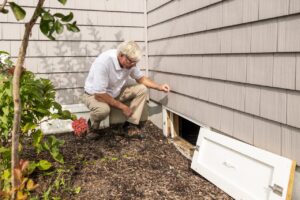
Maintenance remains an important part of the process even after a professional system is installed. Checking the pump and ensuring the barrier remains intact are small tasks that protect the larger investment. Staying proactive prevents minor issues from turning into major headaches down the road.
A clear grasp of the complexity of the environment is the first step toward achieving a permanent result. By choosing a system based approach, you are making a smart decision for the health of your home. A dry and stable crawl space is the key to a happy and reliable household.