





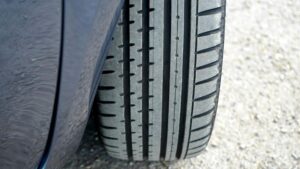
Let’s talk about safety. We all buckle up. We check our brake lights. We trust our airbags. But there is one safety feature we take for granted every day. It is our wheels and tires. They are the single most critical safety component on your vehicle.
Why? They are the only parts actually touching the road. Your brakes, steering, and stability control all work through them. If they fail, nothing else matters. Keeping them in perfect condition is not about looks. It is about survival. Let’s get into the specific reasons why.
Your Grip on the World
Tire tread is everything. It channels water away from the contact patch. This prevents hydroplaning. Worn tread cannot do this. On a wet road, your car can become a sled. A quick check is easy.
Use the penny test. Place a penny into the tread, ensuring Lincoln’s head is down. If you are seeing the top of his head, your tread is too shallow. You need new tires immediately. This simple test could save your life during the next rainstorm.
The Hidden Damage
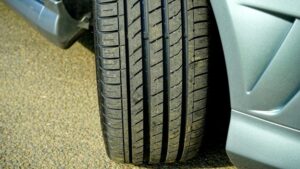
Wheels can get hurt. A hard impact with a pothole or curb can bend a rim. You might not see it. You will feel it as a vibration at certain speeds. This vibration stresses your suspension components. More critically, a bent rim can break the tire’s seal. This leads to a slow air leak. That leak could become a rapid failure. Visually inspect your rims regularly. Look for new dents, cracks, or deep scratches.
Factory wheels, like a set of Chevy stock rims 20, are built strong. But they are not indestructible. Catching damage early prevents a disaster.
The Pressure Principle
Think of your tires as four balloons. They need the right amount of air. Underinflated tires are a major hazard. They overheat from excessive flexing. This can lead to a sudden, catastrophic blowout at highway speeds.
They also make your car feel sloppy and unresponsive in an emergency maneuver. Overinflated tires reduce the contact patch. This means less grip for braking and cornering. Checking your pressure monthly is a non-negotiable safety habit.
The Blowout Prevention
Nobody wants a blowout. It is a terrifying loss of control. Proper maintenance is your best defense. This means checking for sidewall damage. Look for cuts, cracks, or unusual bulges. A bulge means the internal cords are broken. That tire is a ticking time bomb. It must be replaced right away.
Also, ensure your tires are not older than six years, regardless of tread depth. Rubber degrades over time. Old tires are brittle and prone to failure.
The Control Connection
Your car’s advanced systems rely on good tires. Anti-lock brakes (ABS) prevent wheel lockup. They need consistent grip to work correctly. Traction control manages wheel spin. Electronic stability control (ESC) helps correct skids.
All these brilliant systems depend on one thing: solid contact between your tires and the road. Worn or poorly maintained tires make these electronic guardians far less effective. You are disabling your own safety net.
The Balance and Alignment Factor
Have you ever felt a steering wheel shake? That is often unbalanced wheels. This vibration causes uneven tire wear. It also makes precise steering harder in a crisis. Wheel alignment is just as crucial.
Misaligned wheels make the car pull to one side. They cause the tires to scrub against the road. This creates rapid, uneven wear and reduces available grip when you need it most. A yearly alignment is a smart investment in control.
The Seasonal Reality
Tires are not all-weather superheroes. Using summer tires in freezing conditions is dangerous. Their rubber compound hardens in the cold. They lose most of their grip. Winter tires use a special soft compound for cold pavement, snow, and ice.
Using the correct seasonal tire is not an upgrade. It is a fundamental safety requirement for your climate. It is the easiest way to dramatically improve your car’s ability to stop and steer in bad weather.
The Final Word
Your wheels and tires are not just accessories. They are your primary safety interface with the road. Every decision—braking, turning, accelerating—filters through them. Neglect here undermines every other safety feature in your car. The maintenance is simple. Check pressure. Inspect tread. Look for damage. Align and rotate.
These small, consistent acts are the ultimate form of defensive driving. They ensure that when you need your car to respond, it can. Your safety, and the safety of everyone on the road with you, truly depends on it.