The Sing Sing Prison Museum in the Village of Ossining has begun collecting interviews as part of a multi-year Oral History Project on religion and incarceration.
The museum is asking volunteers connected to the prison system, justice-impacted individuals, their family members and victims of crimes to complete an interest form on the museum’s website or share it with someone who may be a good fit. A small stipend is offered to those who participate in an interview.
The project aims to complete 30 to 40 interviews this year, adding these narratives to the museum’s permanent collection. Interviews are conducted by museum educators, who receive training and mentorship from leading oral history experts.
The museum’s online oral history archive will launch on April 10, after a year of collaboration with the University of Connecticut’s Institutional Insights & Innovation digital humanities lab.
Two oral history experts — Suzanne Snider and project director Martin Tsang — have been developing the Oral History Project. Tang is a cultural anthropologist who has led a wide range of initiatives supporting work across the humanities, and has a background in higher education, libraries, and archival practice. He currently serves as a senior program officer at the Whiting Foundation and has previously worked at the National Endowment for the Humanities.
The museum’s multi-year Oral History Project on religion and incarceration is supported by a $2.5 million grant from Lilly Endowment Inc. through its Religion and Cultural Institutions Initiative. The funding will support Religion at Sing Sing Prison: A 200 Year Perspective.
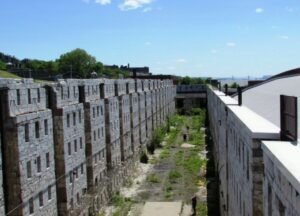
The prison’s founding dates from 1825, when men from Auburn state prison came by barge down the Erie Canal and then down the Hudson River to begin building a prison that would incarcerate them.
The museum’s office is on 30 State Street in downtown Ossining as construction continues on its permanent home in the Olive Opera House building on Brandreth Street. The building, which includes Hudson Valley Books for Humanity, is being redeveloped for mixed uses.
- Sing Sing Prison Museum
- singsingprisonmuseum.org
- info@singsingprisonmuseum.org
- 914-236-5407