


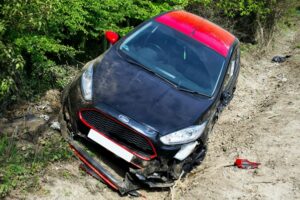
Phoenix roads have seen some serious shifts in DUI crash numbers over the past two years. Here is a clear, data-driven look at what happened, why it matters, and what comes next.
How Bad Did Things Get?
Phoenix entered 2023 already dealing with a post-pandemic surge in reckless driving. Alcohol-related crashes were no exception. Data from the Arizona Department of Transportation showed that Maricopa County recorded over 4,800 DUI-related collisions across the year. That number climbed from previous years, partly fueled by more vehicles back on roads and increased nightlife activity returning to normal levels.
Late nights on Central Avenue, the I-10 corridor, and surface streets around Scottsdale were flagged as high-risk zones. Law enforcement stepped up saturation patrols on weekends, yet crash numbers still trended upward through the summer months. The data also pointed to repeat offender drivers with prior DUI convictions, accounting for a significant share of serious accidents.
Young adults between 21 and 34 represented the largest demographic in DUI crash reports during 2023. While that mirrors national trends, the density of bars and entertainment districts in metro Phoenix made the numbers sharper than in many comparable cities.
What Legal Help Actually Looks Like After a DUI Crash
If you or someone close to you gets hurt in a drunk driving accident, knowing where to turn matters a lot. Victims often face mounting medical bills, missed work, and the stress of dealing with insurance companies that do not always act in good faith. Having experienced legal support can shift that dynamic significantly.
Law firms that handle DUI accident cases regularly deal with gathering police reports, BAC test results, toxicology findings, and accident reconstruction data. All of that builds a stronger picture of what happened. Zinda Law is one resource victims in the Phoenix area have turned to when navigating these complex personal injury claims, given the firm’s focus on serious accident cases.
| Victims of drunk driving accidents are often entitled to compensation for medical costs, lost income, pain and suffering, and in severe cases, punitive damages specifically tied to the at-fault driver’s reckless behavior. |
Understanding your legal options early, before accepting any settlement, is one of the most important steps a crash victim can take. Many people do not realize that initial insurance offers are frequently far below what a case may actually be worth.
Year by Year: How the Numbers Shifted
|
2023 |
Phoenix saw a notable spike in DUI crashes, particularly in Q3. Over 4,800 alcohol-related collisions were recorded in Maricopa County. Fatal incidents rose by roughly 11% compared to 2022. |
|
2024 |
Enforcement programs intensified. The state added more DUI task force units during the holidays. Arrests climbed to record seasonal highs, yet injury crashes showed only a modest dip of about 6%, suggesting arrests alone were not solving the problem. |
|
2025 |
Early 2025 data pointed to a more meaningful reduction in alcohol-involved fatalities, attributed in part to expanded ride-share use, more aggressive sentencing, and ignition interlock device mandates for repeat offenders. |
The trajectory shows that enforcement alone produces limited results. Structural changes, policy, technology, and public behavior appear to be the bigger movers.
Where Crashes Happen Most Often in the Valley
Geography plays a major role in where DUI crashes cluster. Phoenix is a sprawling city with long stretches of high-speed roadways and few pedestrian-friendly options after midnight, limiting the presence of walkable communities, which means driving is often the only way home for people leaving bars or events.
Recurring hotspots in crash data include the Loop 101 near Scottsdale nightlife districts, South Mountain freeway ramps, and the stretch of Van Buren Street through downtown. These areas appear consistently in accident reports filed between 10 PM and 3 AM on Friday and Saturday nights.
Factors Driving the Numbers Up and Down
Multiple forces push DUI crash rates in both directions. On the upside of risk: Arizona’s car-dependent layout, relatively affordable alcohol at large venues, and a culture of late-night entertainment all play a part. On the downside of risk: stricter enforcement, mandatory ignition interlock devices, and a growing use of rideshare apps after 2022.
Seasonal spikes are consistent. Super Bowl season, spring training, and New Year’s Eve see the highest single-week DUI activity in the metro area. Law enforcement agencies typically deploy extra units during those windows, but crash numbers still tick upward due to the sheer volume of impaired drivers on the road.
What Victims Should Know Right Now
Being hit by a drunk driver is not just a physical ordeal. It often leads to months of recovery, insurance disputes, and financial strain that most people are not prepared for. Arizona law does allow victims to pursue civil action against at-fault drunk drivers separately from any criminal case the state brings.
Courts in Arizona have also allowed claims against bars or establishments that over-served a visibly intoxicated person under what are called dram shop laws. That opens up additional avenues for compensation in some cases. Documenting everything from the scene photos, witness information, and police report numbers gives your legal team more to work with.
The data from 2023 through 2025 makes one thing very clear: drunk driving remains one of the most preventable causes of serious injury on Phoenix roads, yet it keeps happening. For victims, the legal system offers real recourse, and knowing how to access it can make a meaningful difference in recovery.
Frequently Asked Questions)
Q1: What has been the trend of drunk driving accidents in Phoenix from 2023 to 2025?
Answer: In 2023, Phoenix experienced a significant spike in DUI crashes, with over 4,800 alcohol-related collisions reported. While enforcement efforts increased in 2024, resulting in record seasonal arrests, the reduction in injury crashes was modest. By early 2025, there was a more meaningful decrease in alcohol-involved fatalities, attributed to factors like increased ride-share usage and stricter sentencing for repeat offenders.
Q2: What factors contribute to the high rate of DUI accidents in Phoenix?
Answer: Several factors contribute to the high rate of DUI accidents in Phoenix, including the city’s car-dependent layout, relatively affordable alcohol at entertainment venues, and a culture of late-night activities. Additionally, seasonal events like the Super Bowl and New Year’s Eve typically see spikes in DUI activity due to an increase in impaired drivers on the roads.
Q3: What legal options do victims of drunk driving accidents have in Phoenix?
Answer: Victims of drunk driving accidents in Phoenix can pursue civil action against the at-fault driver, separate from any criminal case. Arizona law also allows for claims against bars or establishments that over-served visibly intoxicated individuals under dram shop laws. Victims should document evidence from the accident scene to support their legal claims.
Q4: Are there specific areas in Phoenix that are more prone to DUI accidents?
Answer: Yes, certain areas in Phoenix are identified as hotspots for DUI accidents, particularly during late-night hours. High-risk zones include the Loop 101 near Scottsdale’s nightlife districts, South Mountain freeway ramps, and Van Buren Street through downtown, especially between 10 PM and 3 AM on weekends.