



On a clear spring morning along the Hudson River, guests gathered at the Beacon dock with a quiet sense of excitement, waiting to board the Estuary Steward for Bannerman Castle Trust’s annual press tour. With only 44 seats reserved, the experience felt intimate from the start. As the boat pulled away, the river was calm, reflecting the early greenery lining its banks, and conversation flowed easily among attendees eager for the first sail of the season.
The ride itself offered sweeping views of the Hudson Valley and nearby river towns, with a cool wind picking up as the boat moved steadily north. Historian Thom Johnson, a Peekskill native and collector of Bannerman catalogs, guided the journey with stories of the island’s past, including the life of Francis Bannerman, who built the now-iconic castle between 1901 and 1918. Originally used to store military surplus goods that could not be housed in Brooklyn, the structure also served as a striking advertisement, rising from the river in a way that still captures attention today.
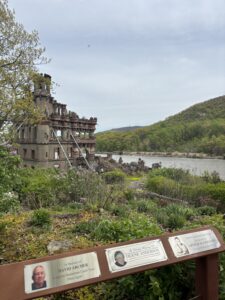
As the boat approached Bannerman Island, phones and cameras quickly came out. The view of the brick and stone castle ruins against the lush green landscape felt almost surreal. Once on land, the sounds of birds and water surrounded the group as they were welcomed ashore and guided up a series of steep steps. The climb, combined with uneven gravel paths, served as a reminder that the island remains an active restoration site.
Now a six-acre New York State Park, the island has been under the care of the Bannerman Castle Trust for over 30 years. Recent work has focused on stabilizing structures, including the grotto and residence, as well as improving trails and safety railings. Visitors moved through the space in small groups, taking in both the scale of the work and the natural beauty that surrounds it. The presence of gardens, originally created by Helen Bannerman, adds a softer layer to the site’s history, blending personal touches with its industrial past.
Throughout the tour, guides balanced humor with insight. One guide, Mary, described the island as an “island of bad decisions,” before emphasizing its deeper purpose, noting that it is “important to come not just for money but for the education.” That sense of purpose carried into the afternoon program, where Trust members and guest artists shared a preview of the 2026 season.
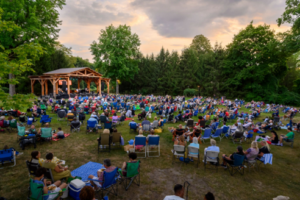
Upcoming plans include the reopening of the grotto in the coming weeks, along with new midweek evening tours. A partnership with New York State Parks will support continued structural studies over the next several years. The island will also host a range of artistic programming, from a production of Dracula to Epic Broadway performances. During the luncheon, a performer offered a brief but memorable musical moment, while choreographer Skyla Schreter discussed a dance film project set on the island, and artist Kathleen Griffin introduced her upcoming installation, “Butterflies of Memory.”
As the tour came to a close, guests made their way back to the boat slowly, lingering in conversation. The return ride was filled with laughter and easy exchanges, with many stopping to say goodbye or share contact information before parting ways. It was clear that the experience extended beyond the history and views, leaving visitors with a sense of connection, both to the island and to one another.