

Picture a sweltering Saturday afternoon at a busy Rivertowns neighborhood park. Parents cluster beneath a single mature tree while watching children play on a hot afternoon.
A mother balances a squirming toddler and a heavy water bottle while searching for shade. Despite the blinding glare of the metal slide, families try to make the most of the day.
The public spaces Hudson Valley families love most are often just one or two affordable fixes away from becoming much better.
When Westchester communities implement these subtle upgrades, they transform basic playgrounds into welcoming hubs.
Visitors naturally want to linger longer in these carefully improved family-friendly public spaces.
These everyday community gathering spots help children develop and allow busy caregivers to relax.
Managing heat or improving visibility makes a tremendous difference for everyone involved in local recreation.
Here are four specific improvements that immediately elevate local parks and keep visitors happy.
-
Smart Shade That Goes Where the Sun Does
Intense summer heat severely impacts summer park comfort and becomes a real hazard for small children.
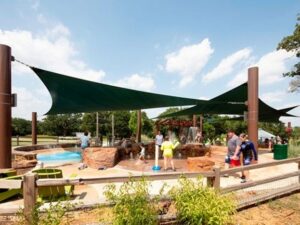
Burned palms on metal slides and scalding bench seats quickly push families out of the area. Thoughtful coverage directly over active play equipment solves this urgent problem effectively.
Shaded surfaces, for example, may be 20 to 45 degrees cooler than the peak temperatures of unshaded materials.
In Rivertowns communities, parents instinctively migrate toward the single bench that finally falls under a shadow at noon. This pattern leaves the rest of the playground completely unused during peak afternoon hours. To solve this, park departments constantly evaluate durable and season-appropriate coverage options.
WillyGoat’s UV-resistant shade structures provide an excellent solution for parks seeking long-lasting protection that keeps play areas cool and safe throughout the hottest months.
Municipal grants and community fund initiatives offer commercial-grade canopies that withstand harsh conditions. Investing in a protective canopy over a toddler zone signals that someone considered caregiver comfort.
Green infrastructure, including urban parks and forestry, can reduce the energy demand of nearby buildings by 10 percent. Proper heat management ensures that playgrounds remain vibrant rather than empty during sunny months.
Thoughtful planning turns a brutal summer afternoon into an enjoyable outdoor experience for the family.
| Key Insight: Intense summer heat on playgrounds, scalding metal slides, and baking benches force families to cut outings short. Thoughtful shade placement directly over play equipment and caregiver seating transforms a scorching hazard into a comfortable lingering afternoon. |
-
Seating That Keeps Eyes on the Action
Caregivers constantly face the challenge of chasing a toddler without a clear sightline to other active kids.
Benches are frequently pushed to the perimeter and face inward toward empty pathways. Establishing intentional sightline zones naturally solves this frustrating structural problem for visiting parents.
A well-placed bench near a sand digger becomes an organic social hub for watchful adults.Placing seats where a caregiver can rest while maintaining an unobstructed view changes everything.
A smart layout features one bench near a junior play structure and a second seat near the swings. This simple layout adjustment improves overall playground safety for everyone present at the park. Each year, about 200,000 children are treated in hospital emergency rooms for playground equipment-related injuries.
This seating approach also honors the multi-generational reality of modern suburban neighborhoods. Sturdy armrests, proper back support, and slightly higher seat heights support grandparents at weekend outings. Shifting focus from seating quantity to intelligent placement makes a massive difference in daily usability.
When seating is comfortable and strategically located, park visits stretch comfortably into the early evening.
| Pro Tip: Place benches where caregivers can see multiple play zones at once, not along the empty perimeter. A well-positioned seat with a clear sightline to the swings and toddler area turns a rest spot into a natural social hub. |
-
Zones That Whisper Where to Play
Without clear boundaries, playgrounds often foster an anxious scene for parents of small children.
A wobbly toddler might wander into a fast-paced game of tag. Tweens often hover near baby swings simply because they have nowhere else to stand.
When everything exists in the same undifferentiated space, caregivers remain on constant high alert.
Gentle zoning introduces visual cues that naturally guide different ages toward appropriate areas. Low timber borders and subtle surface color transitions establish boundaries without harsh fencing. Clusters of native plantings also create soft separation between highly active and quiet play areas. This natural organization dramatically reduces chaos and improves foot traffic.
In space-constrained neighborhoods, thoughtful zoning makes a modest park feel significantly larger.
A nature-inspired toddler mound can be safely separated from an open grassy stretch dedicated to running.
When a space organizes itself around how families actually behave, visiting caregivers can finally relax. Relaxed caregivers inevitably mean calmer children and easier afternoon outings.
-
Inclusive Comfort That Welcomes All
Standard park designs frequently overlook visitors who need specific accommodations during their daily visit.
A parent managing an infant and a preschooler simultaneously needs specialized seating support to stay comfortable.
A grandparent with limited mobility requires smooth paths rather than uneven grass or deep mulch.
Children with sensory differences might need a quieter corner to reset away from loud group activity.Welcoming the full spectrum of families requires low-cost additions that signal genuine community inclusion.
A glider-style seat placed beside a standard bench accommodates nursing parents needing gentler motion. Accessible picnic tables with appropriate wheelchair-user spacing allow for inclusive whole-family gatherings. Thoughtful additions speak directly to the strength of communities that thrive on genuine demographic diversity.
Adding natural materials and softer ground surfaces invites calm and highly creative engagement.
Parks reflecting a full range of ages and family structures quickly become cherished neighborhood spaces.
That quiet moment of recognition builds lasting civic connection between residents and their local government.
Inclusion transforms an ordinary green space into a true civic asset for everyone.
The Path Forward
These four minor adjustments serve as visible proof that a town listens to its residents. Notice where the shade falls and where people naturally sit during your next visit.
Identifying who might currently feel like an afterthought is the essential first step toward meaningful improvement. Simple observations often spark the best grassroots ideas. Bringing these observations to your town recreation department is an accessible next step. Sketching an idea for a local PTA meeting can easily spark a broader civic conversation.
Speaking up at community board sessions provides another excellent avenue for requesting vital improvements.
Raising a small idea can become the thoughtful upgrade an entire neighborhood loves.
| Author Profile: WillyGoat is the leading online retailer of commercial playground equipment for schools, parks, churches, daycares, and communities across America. |