Table of Contents:
- Introduction: The Link Between Dredging and Industrial Expansion
- Understanding Dredging Equipment: Types and Technologies
- Key Applications of Dredging Equipment Across Industries
- How Dredging Drives Heavy Industry Growth
- The Strategic Importance of Industrial Dredging Equipment
- Challenges and Innovations in Dredging Machinery
- Future Outlook: Dredging Technology and Industrial Growth
- Conclusion: Why Dredging Equipment is Indispensable for Industrial Growth
Introduction: The Link Between Dredging and Industrial Expansion
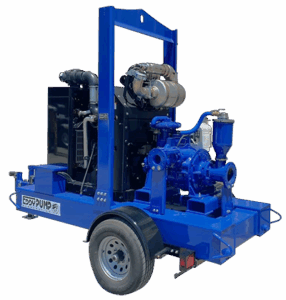
As global economies evolve, large-scale industrial growth becomes more important than ever. Material transportation efficiency, access to interior and coastal waterways, and site preparation for construction are all critical components of this development. These vital needs are addressed with the assistance of modern dredging equipment, which is an important enabler in supporting heavy industries. From mining and construction to port operations and environmental cleanup, dredging technology is critical to sustaining and increasing industrial growth.
This article explores how various types of industrial dredging equipment are transforming key sectors, improving efficiency, and laying the groundwork for long-term industrial development.
Understanding Dredging Equipment: Types and Technologies
Dredging equipment refers to the machinery used to excavate and remove underwater sediments, sand, gravel, and other materials from riverbeds, lakes, harbors, and ocean floors. The core function of this equipment is to maintain navigable waterways, expand port facilities, and prepare industrial zones, all of which are essential for economic growth.
There are several types of dredging machinery, each designed for specific applications:
- Cutter Suction Dredgers (CSDs): Equipped with rotating cutters to loosen material before suction.
- Trailing Suction Hopper Dredgers (TSHDs): Ideal for large-scale dredging and transport of materials.
- Bucket and Backhoe Dredgers: Suited for precision work in confined or shallow areas.
- Amphibious Excavators: Designed for dredging in marshy and soft terrain environments.
Recent developments have expanded the potential of dredging technology for industrial development. Advanced GPS systems, sonar imaging, and automation have improved precision while minimizing environmental damage. These technical advancements make dredging more cost-effective, ecologically friendly, and applicable to a wide range of heavy industrial applications.
Key Applications of Dredging Equipment Across Industries
1. Mining Sector
In the mining industry, mining dredging equipment is essential for extracting mineral-rich sediments from beneath water bodies. This includes materials like sand, gravel, tin, gold, and even rare earth elements. Dredging helps improve resource access while reducing the need for extensive land excavation, thus minimizing environmental impact.
Benefits include:
- Lower excavation costs
- Greater access to submerged mineral deposits
- Higher yield from shallow water sites
2. Construction and Infrastructure
For major infrastructure projects, especially those near water bodies, construction dredging equipment is used to prepare land for development. Whether it’s leveling underwater terrain for bridge foundations or reclaiming land for industrial parks, dredging ensures the stability and viability of construction efforts.
Dredging supports:
- Site preparation for heavy industrial facilities
- Reclamation of land for factories and logistics hubs
- Foundation stabilization for large-scale construction
3. Ports and Harbors
Modern trade relies heavily on deep-water ports capable of handling large cargo vessels. Dredging equipment for ports and harbors helps maintain channel depth, expand docking areas, and increase loading/unloading efficiency. The result is improved maritime logistics, essential for industries reliant on import/export operations.
Key contributions:
- Maintaining navigability for larger vessels
- Preventing siltation and ensuring safety
- Increasing port throughput capacity
How Dredging Drives Heavy Industry Growth
Heavy industries such as steel manufacturing, shipbuilding, petrochemicals, and logistics require a stable and efficient physical environment to operate. Dredging in heavy industries supports this by enabling access to raw materials, ensuring transport routes, and preparing land for complex industrial infrastructure.
Here’s how dredge equipment for heavy industry directly impacts growth:
- Enhanced accessibility: Deepened waterways allow the transport of heavy machinery and raw materials.
- Increased operational efficiency: Dredging reduces the need for alternate land-based logistics, cutting time and costs.
- Expanded industrial footprint: Allows companies to build or expand in previously inaccessible or unstable areas.
From coastal development to inland industrial sites, the applications of dredging equipment are broad and critical to meeting the physical demands of large-scale industry.
The Strategic Importance of Industrial Dredging Equipment
The role of industrial dredging equipment extends beyond basic excavation. It is a strategic tool for national development, influencing infrastructure policies, trade capabilities, and investment opportunities.
Some strategic advantages include:
- Improved logistics and transportation: Deepened ports and navigable channels streamline the movement of goods, making regions more attractive for investment.
- Boosted regional competitiveness: Countries with modern dredging infrastructure are better positioned to compete in global trade.
- Support for energy and offshore industries: Dredging enables the installation of offshore oil rigs, wind farms, and pipelines, supporting long-term industrial diversification.
In short, dredging technology for industrial development is a foundational element of modern infrastructure planning and national growth strategies.
Challenges and Innovations in Dredging Machinery
Despite its benefits, dredging is not without risks. Some of the most often expressed issues are environmental damage, silt disposal, and high running expenses. However, advancements in dredging technology continue to solve these concerns.
Key innovations include:
- Automation and AI integration: Reduce labor costs and improve precision.
- Eco-friendly designs: Minimize turbidity and protect marine ecosystems.
- Real-time monitoring systems Allow operators to dynamically adjust operations for optimal results.
These advancements ensure that industrial dredging equipment continues to evolve alongside the industries it serves, with a focus on sustainability and long-term efficiency.
Future Outlook: Dredging Technology and Industrial Growth
Looking ahead, worldwide demand for dredging equipment is expected to rise as investment in port development, coastal infrastructure, and urbanization increases. Emerging nations are prioritizing dredging as a strategic tool to open economic zones, trade routes, and industrial clusters.
Key future trends include:
- Increased use of modular and mobile dredging units
- Integration with smart city infrastructure
- Expansion of dredging applications in renewable energy and coastal protection
With industrialization showing no signs of stopping, the function of dredging in heavy industries will become even more important. Dredging, from raw material access to transportation and land development, is expected to remain a cornerstone of global industrial growth and dredging strategy.
Conclusion: Why Dredging Equipment is Indispensable for Industrial Growth
Dredging is far more than just moving underwater material. It is a vital enabler of economic progress, directly tied to the advancement of multiple heavy industries. Through its varied applications, from mining and construction to port maintenance, dredging equipment serves as the backbone of industrial development across the globe.
As technologies advance and sustainability becomes a priority, the future of dredging machinery looks promising. With continued investment and innovation, dredging equipment applications will remain central to shaping the industrial landscapes of tomorrow.
In a world that demands ever-greater efficiency, access, and environmental responsibility, dredging will continue to play a critical role in unlocking the full potential of heavy industry.