




Somewhere in the mid-2010s, American adults quietly stopped joining things. Church attendance dropped. Civic clubs hollowed out. Bowling leagues, once the social backbone of working-class neighborhoods across the country, nearly vanished entirely.
Robert Putnam wrote a whole book warning this would happen. Nobody seemed to listen. And then, almost without announcement, people started showing up again.
Not online. In person. With sports shoes, questionable athletic ability and a genuine willingness to try.
Community sports leagues across the U.S. are filling up at a rate that’s catching even recreation departments off guard. Waitlists for Tuesday night leagues.
Courts being repurposed in parks that barely got used three years ago. Something shifted, and it’s worth understanding what and why, because this isn’t just a fitness story.
Local Leagues Are Buzzing Again
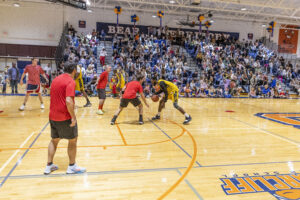
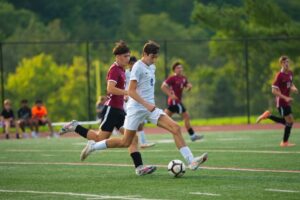
There’s a clear shift out there, even if mainstream chatter hasn’t fully caught on. Leagues and rec programs that used to have empty rosters now have actual waitlists. Tuesday night kickball, Saturday morning softball, you name it; people are lining up to play.
A lot of this boils down to where people are in life. Millennials, for example, are settling into their thirties and forties. They want neighbors they actually know.
A decent chunk of them have realized that remote work and scrolling social media didn’t magically deliver a social life. So they’re going old school: showing up somewhere, joining something, playing a game with whoever turns up.
It’s not just nostalgia; it’s more like everyone needed a reboot.
Why Simple, Accessible Sports Are Winning
The fastest-growing sports share one main thing: anyone can pick them up, and quickly. There’s a low barrier to entry and big social payoffs. That combo works when you want a mix of adults to stick around.
Pickleball stands out as the poster child. Pickleball leagues in Atlanta have exploded over the past couple of years. Parks scramble to keep up, adding courts just to meet demand.
The cool thing? Pickleball attracts a 26-year-old who plays college ball and a 64-year-old trying group sports for the first time. Both walk away feeling like they belong there. That kind of cross-generational, cross-skill mix is rare. Most sports don’t do it.
It helps that pickleball’s easy to pick up. Smaller court, shorter rallies, less physical strain. It takes away that intimidation factor that keeps so many adults from signing up in the first place.
The Real Reason People Show Up: Friendship
There’s something the participation stats miss: the sport itself is almost secondary.
Again and again, people say joining a league was the easiest way they stumbled into real friendships as adults. That might sound simple, but making friends in America, once you’re out of school, is tough.
Workplaces and neighborhood hangouts; a lot of that is gone or moved online. Sports leagues? They put you in the same room with the same people week after week.
You play together, sometimes lose together, grab a drink after, and before long, you’ve got actual friends.
That weekly rhythm matters. People who lived blocks apart for years suddenly know each other by name. Neighborhoods get tighter, in ways you can’t just manufacture. It’s about fighting isolation too.
Loneliness, according to the Surgeon General, is a legit public health crisis. Community sports leagues aren’t a policy fix, but honestly, they’re one of the most practical answers.
Health Is a Nice Bonus
Most folks don’t sign up for pickleball to work on their cardio. It’s about having fun, meeting new people, and giving yourself a reason to leave the house twice a week. The health benefits sneak in anyway.
Take pickleball leagues in Houston, for example. The league pulls in adults who’d call themselves “non-athletes” any other day. These same people are moving for ninety minutes every week, sleeping better and feeling less stressed.
The key? They don’t think of it as exercise. They’re playing. Competing. Part of something; even if the stakes are tiny, they feel real.
Big difference between dragging yourself to a workout and actually wanting to play. That’s what keeps people coming back, week after week.
Cities Investing In Public Spaces Makes All the Difference
Cities are catching onto this trend, and that’s going to make it explode even more. Parks departments that used to scrape by are finally seeing some real investment as officials connect the dots between rec facilities and healthier, happier communities.
Pickleball leagues in San Diego, for instance, didn’t just react to demand; they got ahead of it. The city added dozens of pickleball courts, spurred by organized groups and neighborhood advocates.
Better facilities bring in more people, more people make the case for even more investment, and before long, the city has a recreational culture residents actually claim as their own.
You see it in more than just sports. Well-used public spaces shift the vibe of an entire neighborhood. You might not be able to measure it, but you feel it everywhere.
Community Sports Are More Than Just a Trend
The comeback of community sports leagues is way more than a feel-good story tacked onto bigger trends. It’s a real answer to some of the trickiest problems in American life: loneliness, sitting too much, and communities fraying at the edges.
The actual sport? That’s just the vehicle. The sense of belonging is what really matters. And every city that builds space for it, and every person who shows up, ends up with something that lasts; something worth sticking around for.