




In every Hudson River community, from Tarrytown’s tree-lined streets to Croton-on-Hudson’s cozy cul-de-sacs, neighborhood spaces are where community truly comes alive. Whether it’s a small shared garden, a walking path between townhouses, or a children’s play area tucked behind a condo complex, these common spaces quietly define the character of our neighborhoods.
For homeowners’ associations and neighborhood boards, maintaining and improving these areas takes thoughtful planning and collaboration. Some communities even explore professional help, such as Austin HOA management, to streamline upkeep and communication, though for most River-Town residents, the key lies in organizing locally and planning creatively.
Here’s how homeowners across the Hudson Valley can enhance shared spaces that build stronger, more connected communities.
Reimagining Shared Spaces as Community Hubs
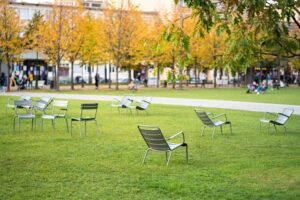
For decades, “common areas” in homeowner communities meant a few benches, a mowed lawn, and maybe a signpost at the entrance. But in 2025, River-Town residents are rethinking these spaces as miniature community hubs, places where people gather, garden, and unwind.
A few simple ideas can transform a shared patch of grass into a valued neighborhood feature:
- Add personality with native landscaping. Choose pollinator-friendly plants like black-eyed Susans, milkweed, or coneflowers. They thrive in Hudson Valley weather and attract butterflies and bees.
- Introduce art or history. Install small plaques about local history or commission murals from local artists to add visual storytelling.
- Encourage multi-use design. Combine benches, shade trees, and open areas so neighbors can socialize or host small events.
These upgrades don’t have to be costly, in fact, they often begin with creativity and shared enthusiasm rather than big budgets.
Building Community Through Shared Gardens
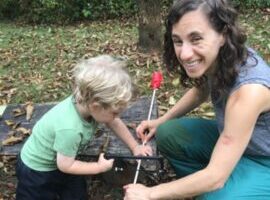
Few projects bring people together quite like a shared garden. Whether it’s a vegetable patch behind a townhouse cluster or a small pollinator garden near the community entrance, these green spaces promote connection and sustainability.
Steps to start a shared garden:
- Identify underused land. Look for small, sunny plots along pathways or near parking areas.
- Get approval early. Present the concept at the next HOA or community meeting, emphasizing low maintenance and resident involvement.
- Form a volunteer committee. Divide tasks, design, planting, watering, budget tracking.
- Start small. One raised bed or a few planters can demonstrate impact before expanding.
Many local environmental groups, such as Teatown Lake Reservation and the Hudson River Greenway, offer workshops or native-plant grants that can support community efforts. Shared gardens not only beautify neighborhoods but also teach children about ecology and foster a sense of collective ownership.
Making Walkability a Priority
The Hudson Valley’s scenic landscapes are best enjoyed on foot, yet many residential neighborhoods still lack safe, well-maintained walkways. Improving sidewalks and pedestrian paths is one of the most tangible ways to enhance neighborhood livability.
Why walkability matters:
- It improves safety for children, older adults, and dog-walkers.
- It encourages active lifestyles and reduces short car trips.
- It increases property values by enhancing accessibility.
If your HOA or neighborhood association has aging sidewalks, consider creating a repair plan or cost-sharing model among homeowners. Look into county grants or local partnerships, for instance, some municipalities offer “Complete Streets” programs that partially reimburse pedestrian improvements.
For private communities, even simple upgrades like reflective lighting, crosswalk paint, and landscaping setbacks can make a huge difference in how walkable and inviting a neighborhood feels.
Balancing Budgets and Volunteer Energy
Image from Freepik
Not every community has the resources to hire professionals or fund large-scale projects, and that’s perfectly fine. Many successful River-Town neighborhood improvements start with a few volunteers and a clear vision.
Here’s how to balance ambition with reality:
- Survey your neighbors. Before investing, ask residents what improvements they actually value.
- Create a “phased plan.” Start with one manageable upgrade each season (for example, repainting fences in spring, adding benches in summer).
- Leverage community workdays. Schedule biannual “clean-up & coffee” mornings where residents pitch in for a few hours, and celebrate afterward.
- Seek local sponsorships. Local nurseries, hardware stores, or realtors often donate supplies or offer small grants for visible community projects.
Combining volunteer spirit with small professional contracts (for major repairs, electrical work, or landscaping) gives communities flexibility without overwhelming their budgets.
Sustainability as a Selling Point
More buyers are prioritizing eco-friendly, community-minded neighborhoods when looking for homes. Integrating sustainability into shared spaces isn’t just good for the planet, it’s a strong selling point for homeowners.
Ideas for greener, low-cost improvements include:
- Permeable paving to reduce stormwater runoff.
- Composting stations for community garden trimmings.
- LED pathway lighting powered by solar fixtures.
- Native trees and drought-resistant plantings that cut down on water use.
These upgrades lower maintenance costs while appealing to the growing number of environmentally conscious buyers in the region.
The Role of HOAs and Local Partnerships
Homeowners associations play an important role in organizing and maintaining common areas, but they’re only part of the picture. Local nonprofits, garden clubs, and municipal programs often offer resources, expertise, and even partial funding for improvement initiatives.
For example, the Westchester County Department of Planning periodically provides grants for open-space preservation and small community beautification projects. Meanwhile, local garden clubs frequently host free plant-swap events that can help homeowners stretch limited budgets.
The key is collaboration, between neighbors, board members, and outside partners. Even a modest effort, like coordinating with the local DPW for mulch or soil delivery, can amplify community impact.
From Maintenance to Connection
Ultimately, the best community spaces are the ones that invite connection. A freshly painted fence, a patch of sunflowers, or a refurbished sidewalk may seem like small gestures, but collectively they signal pride, care, and neighborliness.
Improving shared areas also encourages interaction: kids playing safely, neighbors chatting during evening walks, and older residents feeling more included. When physical spaces invite people to gather, they naturally strengthen social bonds.
Upgrading shared spaces doesn’t require massive budgets or professional oversight, though partnering with experienced management teams, such as Austin HOA management, can provide helpful models for organization and maintenance. What truly makes a difference is vision, participation, and commitment.
For Hudson River-town homeowners, investing in community areas is more than just property improvement, it’s a way to preserve the character and connection that make these neighborhoods special. With a little creativity and cooperation, even the smallest common space can become the heart of a thriving local community.