


Elder pet care is one of the hardest yet most emotionally fulfilling parts of loving a pet. Dogs and cats are family, and when they begin to age or face a serious illness, it can be difficult to know what to do next. Many pet owners wonder if they are missing signs that their pet is uncomfortable or having health issues. These moments are very challenging for families to navigate. Elder pet care is not only about medical decisions, but also about comfort, dignity, quality of life, and giving families the guidance they need to keep their dog or cat healthy, mobile, and part of the family. It focuses on protecting comfort, reducing suffering, and honoring the bond you share with your pet.
Elder pet care focuses on keeping a pet as comfortable as possible when age, chronic illness, or serious disease begins to affect daily life. This may include pain management, appetite support, mobility assistance, and medication adjustments. Most importantly, it involves honest conversations about a dog or cat’s daily activities with a veterinary team. Every pet’s journey is different, which is why individualized care is so important.
Understanding quality of life in our furry family members, requires observing and reflecting on their daily behaviors.
- Is your pet eating and drinking enough to stay comfortable?
- Can they rest peacefully, or do they seem anxious or restless?
- Are they able to walk, stand, use the litter box, or go outside with support?
- Do they still enjoy favorite activities, people, toys, or routines?
- Do they seem confused or disoriented more frequently than previously?
These questions are meant to help find patterns that enable a more objective assessment of health. Many families find it helpful to keep a simple daily journal of appetite, mobility, mood, bathroom habits, and comfort. Then, as you and your veterinarian progress through different treatment protocols for conditions such as arthritis or cognitive dysfunction, you can give more accurate feedback on what treatments seem most effective.
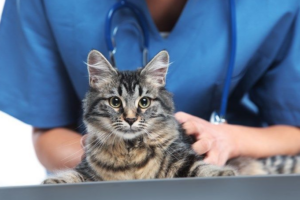
A veterinary exam can help identify pain, dehydration, weight loss, organ changes, mobility issues, or signs of distress that may not be obvious at home. Pets are naturally good at hiding discomfort, so professional guidance can be especially helpful when symptoms are subtle. Depending on your pet’s condition, your veterinarian may recommend medications, nutrition support, environmental adjustments, or palliative care strategies to make daily life easier.
For example, a senior dog with arthritis may benefit from pain control, non-slip flooring, shorter walks, or a specialized “double-handle” harness. A cat with chronic illness may need appetite support, hydration guidance, or litter box adjustments that make movement easier. Small changes can provide meaningful comfort, even when a condition cannot be cured.
One significant struggle in older pets is cognitive dysfunction (CD). This condition can appear as loud vocalizing in an elderly cat or pacing in the evening for an elderly dog. A typical veterinary visit would start with a thorough physical examination and often blood tests to look for treatable illnesses that can appear similar to CD. Your veterinarian also may recommend checking your pet’s blood pressure (just like people, but with a tiny blood pressure cuff for the little ones!). Once other illnesses are ruled out, your veterinarian can help with medication or supplements for CD to help your pet and their family rest more easily at night.
Your veterinary team can help you understand what your pet may be experiencing and what options remain. You should ask questions, discuss what to expect, and make choices that feel right for your family and your pet.
If you are concerned about your pet’s comfort, quality of life, or changing health needs, contact Sleepy Hollow Animal Hospital to schedule a consultation. Our team is here to listen, answer your questions, and help you make decisions that honor your pet’s comfort and dignity here in Westchester County, New York.
Patricia Doherty is a veterinarian and co-owner of Sleepy Hollow Animal Hospital. With a special interest in internal medicine and pain management in our older patients, Dr. Doherty’s goal is to keep your pets healthy well into their golden years.