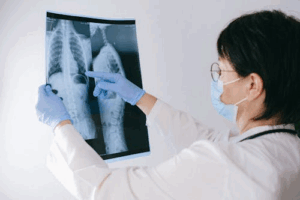
In Tampa, patients increasingly prefer endoscopic spine surgery over traditional methods due to its minimally invasive nature. This approach offers significant advantages such as reduced scarring and faster recovery times. By employing advanced technology and surgical precision, endoscopic techniques limit postoperative pain and enhance patient comfort. Skilled surgeons in Tampa tailor each procedure to individual needs, ensuring ideal outcomes. Discover the compelling factors driving this choice.
Understanding Endoscopic Spine Surgery
How does one grasp the intricacies of endoscopic spine surgery? This advanced technique requires an understanding of the anatomy of the spine, comprising vertebrae, intervertebral discs, nerves, and muscles. Skilled surgeons employ endoscopes to access the spinal column through minimal incisions, allowing for precise interventions. The procedure addresses various types of spine conditions, such as herniated discs, spinal stenosis, and degenerative disc disease, each presenting unique anatomical challenges. By visualizing the affected area in real-time, surgeons can navigate the complex spinal structure with enhanced accuracy. This method minimizes disruption to surrounding tissues, thereby reducing recovery time and improving patient outcomes. Mastery of these surgical techniques necessitates profound anatomical knowledge and specialized training in endoscopic technology.
Benefits of Minimally Invasive Techniques
Minimally invasive techniques in endoscopic spine surgery offer significant advantages over traditional open surgery, primarily through faster recovery times facilitated by reduced tissue disruption. This approach also minimizes the risk of scarring as the procedures require only small incisions. Additionally, patients typically experience less postoperative pain, which contributes to a more comfortable and swift rehabilitation process.
Faster Recovery Time
With advancements in medical technology, endoscopic spine surgery offers patients in Tampa the distinct advantage of faster recovery times compared to traditional open surgery. These minimally invasive techniques drastically reduce the extent of soft tissue disruption, leading to a shorter hospital stay. Patients often experience minimal post-operative pain, allowing for a quicker mobilization and rehabilitation process. Individuals seeking expert care from Tampa spine specialists benefit from these advanced procedures, which minimize physical trauma and facilitate a more efficient healing process. Reduced postoperative complications further enhance overall outcomes, and patients often report high satisfaction with their expedited recuperation.
Reduced Scarring Risk
Although traditional open spine surgeries often result in considerable scarring due to large incisions, endoscopic spine surgery markedly reduces the risk of scarring through its minimally invasive techniques. This advanced approach employs specialized instruments and a camera to access the spine through a diminished incision size, leading to less visible scarring. The benefits are notable in terms of patient satisfaction and cosmetic outcomes.
- Cosmetic Advantage: Patients experience less visible scarring, enhancing overall aesthetic satisfaction.
- Minimized Incision Size: Smaller incisions result in reduced tissue trauma and faster healing.
- Patient-Centered Results: The approach aligns with patient preferences for less invasive procedures, focusing on ideal recovery without compromising cosmetic integrity.
This technique greatly enhances the quality of life by promoting less noticeable physical reminders of surgery.
Less Postoperative Pain
The advantages of endoscopic spine surgery extend beyond cosmetic benefits, as patients also experience markedly less postoperative pain. This minimally invasive technique involves smaller incisions which lead to reduced tissue disruption. As a result, patients achieve immediate pain relief post-surgery, unlike traditional methods which often necessitate prolonged recovery periods. The use of advanced imaging and precision instruments allows surgeons to target affected areas with accuracy, minimizing collateral damage to surrounding tissues. This precision guarantees that patients endure minimal discomfort during the recovery phase. Additionally, the reduced trauma to the musculature and soft tissues contributes to a lower incidence of postoperative complications, facilitating a smoother and faster return to daily activities. Consequently, patient satisfaction and outcomes are considerably enhanced in Tampa’s medical landscape.
Comparing Recovery Times
While endoscopic spine surgery in Tampa is gaining popularity, comparing recovery times with traditional open spine surgery offers valuable insights for patients and medical professionals. This minimally invasive approach often results in a shorter hospital stay, leading to enhanced patient satisfaction and reduced healthcare costs. Patients benefit from quicker rehabilitation, allowing them to resume daily activities sooner.
Key differences in recovery times include:
- Shorter hospital stay: Endoscopic procedures typically involve less tissue damage, facilitating faster discharge.
- Quicker rehabilitation: Patients experience less postoperative discomfort, which accelerates the physical therapy process.
- Reduced risk of complications: The minimally invasive nature decreases the likelihood of infection, promoting a smoother recovery trajectory.
These factors collectively underscore the advantages of endoscopic spine surgery, making it an appealing option for individuals seeking efficient recovery.
Pain Management and Patient Comfort
Minimally invasive techniques in endoscopic spine surgery markedly enhance patient comfort by offering reduced postoperative pain and expedited recovery times. These advanced surgical methods minimize tissue disruption, leading to less trauma and decreased reliance on analgesics for pain relief. As a result, patients experience improved outcomes and a quicker return to daily activities, underscoring the patient-centered benefits of these surgical innovations.
Minimally Invasive Techniques
Advancements in endoscopic spine surgery have substantially enhanced minimally invasive techniques, prioritizing pain management and patient comfort. These techniques involve diligent patient selection to guarantee optimal outcomes. Utilizing advanced imaging techniques, surgeons can precisely locate spinal abnormalities, minimizing collateral tissue damage. This targeted approach results in reduced intraoperative trauma, which markedly decreases postoperative pain and enhances patient comfort.
Key factors contributing to the efficacy of these techniques include:
- Diligent Patient Selection: Identifying suitable candidates maximizes surgical success and minimizes complications.
- Advanced Imaging Techniques: High-resolution imaging facilitates accurate navigation and targeted intervention.
- Minimized Tissue Disruption: Smaller incisions and less tissue manipulation lead to decreased postoperative discomfort.
Through these innovations, patients experience improved comfort and effective pain management, setting endoscopic spine surgery apart from traditional methods.
Reduced Recovery Time
Endoscopic spine surgery not only enhances surgical precision but also considerably reduces recovery time, thereby prioritizing pain management and patient comfort. By employing minimally invasive techniques, this approach drastically decreases tissue trauma compared to traditional open surgeries. Patients benefit from quicker rehabilitation due to smaller incisions, which result in minimal postoperative discomfort and reduced inflammation. This advancement facilitates a faster return to work, allowing individuals to resume daily activities with minimal disruption. Additionally, the reduced recovery time diminishes hospital stays, lowering the risk of hospital-acquired infections and promoting overall well-being. The patient-centered approach of endoscopic spine surgery in Tampa emphasizes optimizing recovery timelines while ensuring effective pain management, thereby enhancing the quality of life for patients seeking spinal interventions.
Enhanced Pain Relief
While traditional spine surgeries often necessitate extensive pain management strategies, endoscopic spine surgery offers enhanced pain relief by utilizing advanced techniques that prioritize patient comfort. This minimally invasive approach facilitates optimized pain control, reducing the reliance on opioid analgesics. By limiting tissue disruption and preserving muscle integrity, endoscopic methods lead to decreased postoperative pain and inflammation. Effective analgesic management is achieved through targeted local anesthesia and precise surgical interventions, ensuring rapid recovery and increased patient satisfaction.
- Minimized Tissue Trauma: Endoscopic techniques reduce tissue damage, resulting in less postoperative discomfort.
- Targeted Anesthesia: Precise application of local anesthetics enhances pain relief while minimizing systemic effects.
- Rapid Recovery: Reduced need for opioids and faster recovery times contribute to improved patient outcomes and comfort.
Advanced Technology in Endoscopic Procedures
With the integration of cutting-edge technology, endoscopic spine surgery has undergone a transformative evolution, offering significant advancements in minimally invasive procedures. Central to this progress is robotic precision, which enhances the surgeon’s ability to navigate complex spinal anatomy with unparalleled accuracy. This technological innovation allows for precise targeting of affected areas, minimizing tissue disruption and promoting faster recovery times. Additionally, improved visualization through high-definition cameras provides surgeons with a magnified, clear view of the surgical field, enabling meticulous execution of the procedure. This enhanced visibility is particularly essential in identifying critical structures, thereby ensuring ideal patient outcomes. As a result, these advancements in endoscopic techniques have made spine surgery safer and more effective, solidifying its preference among patients in Tampa.
Reducing Surgical Complications
Advancements in technology have not only enhanced surgical precision but also played a pivotal role in reducing surgical complications in endoscopic spine surgery. This minimally invasive technique offers improved surgical safety through smaller incisions, resulting in decreased infection rates and quicker recovery times. Endoscopic procedures reduce the risk of extensive tissue damage, thereby minimizing postoperative complications.
Key benefits include:
- Minimized Trauma: Endoscopic methods limit disruption to surrounding tissues, promoting faster healing.
- Enhanced Visualization: High-definition imaging provides surgeons with precise views, allowing for targeted interventions and refined control.
- Reduced Blood Loss: Smaller incisions correlate with decreased intraoperative bleeding, contributing to overall surgical safety.
These factors collectively underscore why patients in Tampa are increasingly opting for endoscopic spine surgery over traditional methods.
The Role of Skilled Surgeons in Tampa
A crucial component in the success of endoscopic spine surgery is the expertise of skilled surgeons in Tampa. These surgeons possess advanced technical skills and comprehensive knowledge of minimally invasive techniques, ensuring optimal patient outcomes. Their expertise is critical in maneuvering complex spinal anatomy and utilizing state-of-the-art technologies to minimize tissue disruption. During patient consultation, these specialists provide tailored advice, detailing procedural benefits and potential risks, thereby empowering patients to make informed decisions about their care. The collaborative approach between surgeons and patients enhances the treatment plan, aligning with individual health goals and expectations. Surgeons in Tampa prioritize continuous education and hands-on experience, ensuring they remain at the forefront of medical advancements, ultimately enhancing patient safety and treatment efficacy.
Patient Testimonials and Success Stories
Patient testimonials and success stories serve as powerful indicators of the efficacy of endoscopic spine surgery in Tampa. These narratives highlight significant patient satisfaction and improved quality of life post-procedure. Numerous individuals report reduced postoperative pain, accelerated recovery times, and enhanced functional outcomes.
- Rapid Recovery: Patients frequently describe a swift return to daily activities, underscoring the minimally invasive nature of the procedure.
- Decreased Pain: Testimonials often emphasize a substantial reduction in pain levels, contributing to overall patient satisfaction.
- Enhanced Mobility: Success stories frequently mention increased range of motion and physical capabilities, leading to an improved quality of life.
These accounts collectively reinforce the credibility of endoscopic spine surgery as a viable alternative to traditional methods in the Tampa area.
Factors Influencing Patient Decisions
While testimonials underscore the benefits of endoscopic spine surgery, various factors substantially influence patient decisions regarding this medical intervention. Central to these decisions are physician recommendations, which guide patients through complex medical data and procedural options. Physicians, leveraging clinical experience and evidence-based practices, provide tailored advice that significantly shapes patient choices. Moreover, effective patient-doctor communication is pivotal, ensuring patients fully understand the risks, benefits, and alternatives associated with endoscopic approaches versus traditional methods. This dialogue fosters informed consent and empowers patients to actively participate in their treatment planning. Additionally, considerations such as recovery time, potential complications, and overall prognosis influence decision-making. Ultimately, these factors collectively facilitate a thorough understanding, empowering patients to make well-informed decisions about their spinal health.
Frequently Asked Questions
What Are the Risks Associated With Endoscopic Spine Surgery?
Endoscopic spine surgery risks include infection, nerve damage, and spinal fluid leaks. However, patients may experience shorter recovery times and less postoperative pain compared to traditional methods, as the procedure involves smaller incisions and minimal tissue disruption.
How Does the Cost of Endoscopic Surgery Compare to Traditional Methods?
Endoscopic spine surgery typically incurs higher initial costs compared to traditional methods. However, reduced recovery time and increased patient satisfaction often offset expenses, making it a cost-effective choice for many seeking minimally invasive, efficient surgical interventions.
Are There Any Specific Conditions Where Endoscopic Surgery Is Not Recommended?
Endoscopic spine surgery is typically not recommended for severe spinal deformities or cases with progressive neurological deficits. These conditions often require more extensive surgical interventions to adequately address the underlying issues and prevent further complications.
What Is the Typical Duration of an Endoscopic Spine Surgery Procedure?
The typical duration of an endoscopic spine surgery procedure ranges from 30 to 90 minutes, contingent on complexity. Anesthesia requirements generally involve local anesthesia with sedation, minimizing patient recovery time and reducing anesthesia-related risks compared to traditional methods.
How Do I Prepare for Endoscopic Spine Surgery in Tampa?
Patients preparing for endoscopic spine surgery in Tampa should adhere to specific diet modifications, such as avoiding certain medications and fasting preoperatively, while also considering post-operative rehabilitation plans to guarantee seamless recovery and functional restoration.