

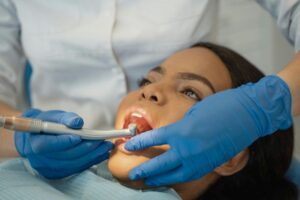
When considering dental implants, you’ll first undergo a thorough evaluation to assess your oral health and determine implant suitability. Expect a detailed review of your dental history, a physical examination, and radiographic assessments. These steps help in crafting a personalized treatment plan. Understanding what lies ahead, from potential bone grafting to post-operative care, is vital for a successful outcome. Curious about the precise steps and how to navigate them effectively?
Initial Consultation and Evaluation
Before setting out on the journey of receiving dental implants, it’s imperative to undergo an initial consultation and evaluation. During this crucial phase, your dental professional will conduct a comprehensive examination to assess your oral health status. This examination typically involves a thorough review of your dental history and a physical inspection of your oral cavity. Initial x-rays are taken to provide detailed insights into the health of your jawbone and surrounding structures. These x-rays are essential for identifying any potential issues that might affect implant placement. Consulting experienced dental implant specialists in Delray Beach can also help ensure that your treatment plan is personalized and based on advanced diagnostic insights. By meticulously examining these details, your dentist can formulate an effective treatment plan tailored to your unique needs, laying
Determining Candidacy for Implants
To determine if you’re a suitable candidate for dental implants, a thorough evaluation of your overall health is essential, focusing on factors such as systemic conditions and oral health status. Adequate bone density in the jaw is vital, as it provides the necessary support for the implant; consequently, radiographic assessments are often utilized to measure bone volume and quality. Additionally, your lifestyle habits, including smoking and oral hygiene practices, play a significant role in the long-term success of the implant procedure.
Health Assessment Criteria
While considering dental implants, it’s essential to evaluate specific health assessment criteria to determine candidacy effectively. An overall health assessment is indispensable, as it helps identify any underlying conditions that might impact the procedure’s success. You’ll need to undergo a thorough medical history review to ascertain any pre-existing conditions such as diabetes, cardiovascular diseases, or immune system disorders, which could affect healing and implant integration. Additionally, your dental professional will assess your oral health, including gum disease status and oral hygiene practices, as these can influence implant stability. Smoking habits and medication use are also evaluated, as they may impede recovery. By addressing these criteria, your dental team guarantees a tailored approach, maximizing the likelihood of successful implant outcomes.
Bone Density Requirements
When considering dental implants, understanding bone density requirements is essential since it directly influences implant success. Adequate bone volume is a vital factor, as it provides the necessary support for the implant. Insufficient bone density can lead to implant failure due to inadequate stabilization. To evaluate your candidacy, a dental professional will conduct thorough radiographic assessments, including CT scans, to measure bone volume and density precisely. If your bone volume is inadequate, bone grafting procedures may be recommended. These procedures involve augmenting bone in the implant site, utilizing graft materials to enhance volume and density. This step is paramount for ensuring the implant can be securely anchored, promoting long-term stability and functionality. Proper assessment and preparation are pivotal for successful implantation.
Lifestyle Considerations
Although dental implants offer a reliable solution for replacing missing teeth, lifestyle factors can profoundly influence their success and longevity. Dietary changes are critical; you’ll need to avoid hard and sticky foods that could compromise the implant’s integrity during healing. Incorporating soft, nutrient-rich foods aids in optimal recovery and guarantees the surrounding tissues remain healthy. Social adjustments, such as reducing or eliminating smoking and alcohol consumption, are equally important. These habits can hinder healing and increase the risk of implant failure. Additionally, maintaining impeccable oral hygiene is essential to prevent peri-implantitis, a condition that can jeopardize implant stability. Understanding these lifestyle considerations will help you make informed decisions and enhance the long-term success of your dental implants.
Planning Your Dental Implant Procedure
Commencing on the expedition toward dental implants necessitates meticulous planning to guarantee both success and satisfaction. First, selecting a dental implant provider is paramount. You’ll want to choose a professional with extensive experience and positive patient outcomes. Conduct thorough research on potential providers by reviewing credentials, certifications, and patient testimonials. Additionally, evaluating implant materials is vital. Dental implants are typically crafted from titanium or zirconia, each offering distinct benefits. Titanium is renowned for its excellent osseointegration properties, ensuring a stable and durable foundation. Conversely, zirconia provides an aesthetically pleasing, metal-free alternative. Discuss these options with your provider to determine the most suitable material for your specific needs. Comprehensive planning enhances the likelihood of achieving the desired functional and aesthetic results.
Understanding the Cost and Insurance Options
When considering dental implants, you’re likely aware that the procedure’s costs can vary enormously based on factors such as materials used and the complexity of the case. It’s important to explore your insurance coverage options, as some policies may offer partial reimbursement for certain components of the implant process. Additionally, many dental practices provide financing plans that can help you manage expenses over time, ensuring that the investment in your oral health is both manageable and feasible.
Implant Procedure Costs
Understanding the costs associated with dental implant procedures can be essential for effective financial planning. Dental implants typically involve multiple components, such as the implant post, abutment, and crown, each contributing to the overall expense. When examining this investment, it’s crucial to explore available payment plans that can ease the financial burden. Many dental clinics offer structured payment options, allowing you to spread costs over time rather than paying a lump sum upfront. Budgeting considerations should account for potential additional expenses, including pre-surgical consultations and post-operative care. By evaluating these factors, you can create a detailed financial strategy that aligns with your budget constraints. This proactive approach ensures you’re well-prepared to manage the financial implications of dental implant procedures.
Insurance Coverage Options
Maneuvering insurance coverage for dental implants can be formidable, yet it’s a pivotal step in managing costs effectively. You’ll need to scrutinize your insurance policy’s limitations and determine the extent of coverage for dental implants. Policies often have exclusion details, which specify procedures not covered, such as pre-existing conditions or cosmetic enhancements. It’s imperative to consult with your insurer to ascertain if implants are categorized as a restorative necessity or a cosmetic procedure, as this distinction impacts coverage eligibility. Additionally, verify if there’s a waiting period before benefits apply, and assess annual maximum limits that might constrain coverage. Thoroughly understanding these factors empowers you to make informed financial decisions and maximize your insurance benefits for dental implant procedures.
Financing Dental Implants
Traversing the intricacies of insurance coverage is only one piece of the puzzle when considering dental implants. Understanding the cost implications and exploring financing options is vital. Dental implants can be a significant investment, but various payment plans make them more accessible. You should evaluate the following:
- Payment Plans: Many dental practices offer structured monthly payment plans, allowing you to spread the cost over time.
- Financing Options: Third-party financing companies often provide low-interest or interest-free loans tailored for dental procedures.
- Insurance Coverage: While not all plans cover implants, some offset costs by covering related procedures like extractions or crowns.
Carefully review these options to determine the most feasible financial pathway, thereby reducing the immediate economic impact of dental implant procedures.
Preparing for the Implant Surgery
Before undergoing dental implant surgery, it’s pivotal to meticulously prepare to guarantee a smooth procedure and recovery. Initially, you’ll have an initial consultation where expectations are outlined. During this session, the dental professional evaluates your oral health, discusses the implant process, and addresses any concerns. It’s essential to provide a thorough patient medical history review. This includes disclosing any medications, allergies, or chronic conditions to prevent complications.
Additionally, pre-surgical instructions must be followed rigorously. These might include fasting prior to surgery or adjusting current medications. Make certain you have arranged for transportation post-surgery, as anesthesia will impair your ability to drive. Understanding these preparatory steps enhances the likelihood of a successful implant outcome while minimizing the risk of post-operative issues.
The Implant Surgery Process
In the implant surgery process, you must adhere to a meticulously planned sequence of steps to guarantee ideal outcomes. The preparation involves precise imaging and assessment to tailor the implant placement to your unique anatomy. Post-surgery, it’s essential to follow specific care guidelines to facilitate healing and integration with your bone structure.
Preparation and Planning Steps
Commencing the journey toward dental implants involves several meticulous preparation and planning steps to guarantee the success of the implant surgery. Initially, a preimplant evaluation is essential. This extensive assessment involves dental imaging and reviewing your medical history to confirm you’re a suitable candidate. During the consultation timeframe, you’ll discuss your specific needs, the implant process, and expected outcomes with your dental specialist. This stage enables the formulation of a personalized treatment plan.
Key planning steps include:
- Diagnostic Imaging: X-rays and CT scans to evaluate bone structure.
- Medical Assessment: Verifying no underlying health issues could compromise the procedure.
- Treatment Timeline: Establishing a realistic schedule for the implant process.
These steps are crucial in minimizing risks and enhancing the overall success rate of your dental implants.
Post-Surgery Care Essentials
How does one guarantee the longevity and success of dental implants post-surgery? Adhering to meticulous post-operative care is indispensable. Begin with soft food recommendations—opt for nutrient-rich, easily chewable options like mashed potatoes, yogurt, and smoothies. These minimize strain on the healing implant site. Avoid hard or crunchy foods that could disrupt the healing process.
Oral hygiene guidance is equally essential. Maintain a rigorous cleaning regimen; use a soft-bristled toothbrush to gently clean around the implant area. Avoid vigorous rinsing immediately post-surgery, as it may disturb the formed blood clot critical for healing. Instead, use a prescribed antibacterial mouthwash as directed by your dental professional. Consistent follow-up appointments will confirm proper implant integration and monitor for potential complications.
Post-Surgery Care and Recovery
Proper post-surgery care is essential for ensuring a smooth recovery after dental implant procedures. To promote ideal wound healing and infection prevention, adhere to the following guidelines. First, maintain impeccable oral hygiene by gently rinsing with a prescribed antiseptic mouthwash. This reduces bacterial growth that could compromise healing. Second, avoid tobacco and alcohol consumption, as these substances can impede tissue repair and increase infection risk. Third, follow your dentist’s instructions regarding dietary modifications to prevent undue stress on the implant site.
- Oral Hygiene: Use an antiseptic mouthwash.
- Avoid Harmful Substances: Refrain from tobacco and alcohol.
- Dietary Adjustments: Stick to soft foods initially.
Managing Pain and Discomfort
While post-surgery discomfort is a natural part of the healing process, effective pain management is crucial to enhance your recovery experience after dental implants. Typically, your dentist will prescribe analgesics to alleviate pain, and it’s essential to adhere to the dosage instructions. Managing swelling effectively involves applying ice packs to the affected area for 15-minute intervals during the first 48 hours. This reduces inflammation and provides relief. To manage discoloration, expect some bruising, which results from subcutaneous bleeding. It usually resolves within a week. Maintain an elevated head position while sleeping to minimize swelling. Consistent oral hygiene, using gentle techniques around the surgical site, aids in preventing infection, further mitigating discomfort. Follow your dentist’s guidelines closely for optimal recovery.
Follow-Up Appointments and Monitoring
After undergoing dental implant surgery, it is critical to attend follow-up appointments to guarantee proper healing and implant integration. These regular checkups enable your dentist to monitor progress and address potential complications. During these visits, they will assess the implant site, ensuring the bone is integrating well with the implant and that no infections have developed.
Key aspects of follow-up appointments include:
- Assessment of osseointegration: Verifying that the implant is securely fusing with the jawbone.
- Evaluation of gum health: Checking for any signs of inflammation or infection around the implant.
- Discussion of dietary restrictions: Advising on foods to avoid to prevent undue pressure on the implant.
Adhering to these appointments is essential for ideal implant success and longevity.
Long-Term Care and Maintenance of Dental Implants
Guaranteeing the longevity of your dental implants involves a thorough approach to their long-term care and maintenance. Adhering to precise implant cleaning routines is paramount. Utilize interdental brushes and low-abrasive toothpaste to prevent plaque accumulation around the implant’s crown and abutment. It’s pivotal to incorporate consistent hygiene maintenance requirements, including twice-daily brushing and daily flossing, to avert peri-implantitis—a potential inflammatory condition. Regularly scheduled dental check-ups are essential to assess implant stability and ascertain the surrounding tissues remain healthy. Your dental professional may recommend adjunctive cleaning tools, such as water flossers, to enhance your routine. By maintaining stringent oral hygiene practices and attending periodic evaluations, you safeguard the structural integrity and function of your dental implants for years to come.
Frequently Asked Questions
Can I Fly After Getting Dental Implants?
Yes, you can fly after getting dental implants, but it’s best to wait a few days. The recovery timeline varies; follow post-operative precautions like managing swelling and avoiding pressure changes to guarantee satisfactory healing and comfort.
What Should I Eat Before Implant Surgery?
You should consume nutritious soft foods like yogurt, smoothies, or soup, ensuring you’re well-nourished. Prioritize proper hydration before surgery, drinking ample water to maintain ideal bodily function and support your body’s recovery process post-surgery.
How Does Smoking Affect Dental Implant Success?
Smoking markedly reduces dental implant success due to decreased bone density and impaired healing. If smoking frequency is high, you’ve got to ponder the adverse effects on osseointegration, making it vital to minimize or quit smoking entirely.
Are Dental Implants Magnetic?
Dental implants aren’t magnetic. They consist mainly of titanium, known for its non-magnetic properties. Magnets won’t impact implants because titanium doesn’t interact with magnetic fields, ensuring no interference with medical devices like MRIs or metal detectors.
Can I Exercise Immediately After Implant Surgery?
You shouldn’t exercise immediately after implant surgery. Adhering to the recovery timeline is vital. Focus on pain management and allow your body to heal, minimizing physical exertion to avoid complications and guarantee ideal healing and implant success.