



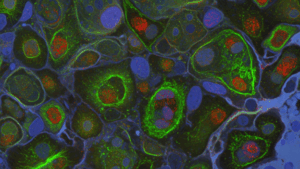
Inflammation is the body’s defence system, a way of responding to injury or infection. One key molecule involved in the process is TNF-alpha (Tumor Necrosis Factor-alpha). This protein plays a crucial role in controlling inflammation and signaling the immune response. But an increased amount of this protein leads to chronic inflammation and other conditions.
By measuring TNF-alpha levels, researchers gain deep insight into how this protein contributes to conditions such as rheumatic arthritis, inflammatory bowel disease (IBD), and cardiovascular diseases.
Read this post to know how measuring TNF-alpha can help in treating these diseases and developing new therapies.
7 Key Conditions Linked To TNF-alpha Dysregulation
1. Chronic Inflammation
TNF-alpha is a cytokine (small protein) that manages the immune response. This plays an important role in protecting the body from harmful invaders. But if this is produced in excess for long periods, it can cause chronic inflammation. This inflammation is linked with many diseases such as rheumatic arthritis, heart disease, and cancer.
Researchers study this protein to understand how it contributes to diseases. They use the Human TNF alpha ELISA Kit to measure its level, development, and improve overall health conditions.
2. Rheumatoid Arthritis
When the TNF alpha is high, it activates nuclear factor-kappa B, causing inflammation and damaging the joints. It also triggers the production of other molecules that cause inflammation, leading to pain, swelling, and stiffness in joints.
Researchers use the Human TNF alpha ELISA Kit to measure the TNF alpha levels in serum or synovial fluid, enabling precise diagnosis and monitoring of Rheumatoid Arthritis progression.
3. Inflammatory Bowel Disease (IBD)
This includes disorders such as Crohn’s disease and ulcerative colitis, marked by chronic inflammation of the digestive tract. In Inflammatory Bowel Disease (IBD), this
TNF-alpha level accelerates, contributing to damage of the intestinal lining.
For researchers, it’s an important biomarker for assessing disease progression. Human TNF alpha ELISA Kit is widely used to measure its concentration in gut tissue samples. By monitoring them, researchers develop therapeutic options that target the TNF-alpha molecule.
4. Autoimmune Disorders
In autoimmune diseases such as lupus, the immune system attacks its own healthy cells and tissues, leading to chronic inflammation. TNF-alpha is associated with the progression of autoimmune conditions, causing additional tissue destruction.
Measuring the protein level provides researchers with deeper insight and develop target therapies to prevent further tissue damage.
5. Cancer
Certain cancers, such as colorectal cancer, are characterized by elevated TNF-alpha levels. This protein is produced by immune cells in response to tumor growth, but it plays a dual role:
- It helps fight the tumor cells.
- It can promote tumor growth, promoting chronic inflammation.
Human TNF-alpha ELISA Kits enable researchers to quantify these elevated levels in serum or tissue samples with high sensitivity and specificity, aiding early diagnosis and monitoring of disease progression.
6. Infections
During infection, the immune system increases the production of TNF-alpha to fight pathogens. This is particularly important in managing infections like tuberculosis and sepsis, where the inflammation controls the infection. But excessive production leads to severe conditions like septic shock, which can be life-threatening.
Analysing TNF-alpha levels helps researchers prevent immune dysregulation and develop target therapies.
7. Cardiovascular Diseases
Chronic inflammation is the key factor in the development of cardiovascular diseases, including atherosclerosis and heart failure. TNF-alpha plays a significant role in promoting endothelial dysfunction, increasing vascular permeability, and plaque buildup.
The TNF alpha ELISA Kit helps researchers understand the underlying mechanisms of cardiovascular diseases, explore new treatments that target this protein, and reduce inflammation.
Final Takeaway
TNF alpha plays an essential role in driving chronic inflammation, a key factor in the development and progression of various diseases, including arthritis, autoimmune disorders, and cardiovascular conditions. Understanding this protein provides deeper insight into the mechanism behind these conditions.
Tools like the Human TNF alpha ELISA Kit are essential for accurately measuring the level of TNF-alpha. If you want to study the TNF-alpha role in inflammation and other conditions, consider purchasing the ELISA Kit from a trusted platform like AAA Bio for accurate results.