



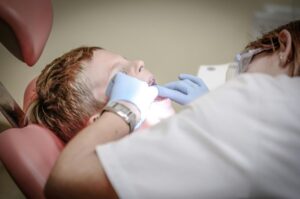
Preparing for your child’s visit to a special needs dentist in New Jersey can feel daunting. Start by understanding your child’s unique dental needs and find a dentist who offers a friendly, adaptable environment.
Explain the visit to your child using simple stories and introduce them to dental tools. Schedule the appointment when your child is likely to be most cooperative. Communicate clearly with the dental team to ensure a positive experience.
Understanding Your Child’s Specific Dental Needs
Understanding your child’s specific dental needs is key to ensuring a positive visit to a special needs dentist. Every child has unique dental challenges, and knowing these helps in creating a comfortable experience. For example, if your child is sensitive to touch or sound, a quieter setting or special tools may be needed. Being aware of your child’s sensory sensitivities and how they communicate can improve the dental visit. Sharing any medical history or behavioral concerns with the dental team ahead of time ensures your child gets personalized care. This approach creates a supportive environment and a smoother dental experience.
Researching Special Needs Dentists in New Jersey
Looking for special needs dentists in New Jersey? Here’s what you need to know.
First, choose dentists with proven experience in handling unique dental challenges. They should be skilled in providing care tailored to individual needs.
Next, check the dental office environment. It should be welcoming and adaptable for children with special needs. A friendly atmosphere can make a big difference.
Finally, learn about the appointment procedures. A clear, structured process can ensure a smoother experience for your child, making dental visits less stressful.
Finding the right dentist can lead to better dental health and a more positive experience for your child.
Finding Qualified Professionals
Finding a qualified special needs dentist in New Jersey can seem challenging, but there are straightforward steps to simplify the process. Start by reaching out to local special needs support groups and community forums. These platforms often share trusted dentist recommendations. Explore dental associations and networks that focus on pediatric and special needs dentistry for professional options.
Check online reviews and testimonials to learn about other families’ experiences with specific dentists. This can help you assess their suitability and expertise. Schools and therapy centers are also great resources for referrals, as they often work with professionals experienced in special needs care.
Evaluating Office Environment
To ensure a positive dental experience for children with special needs, it’s important to evaluate the dentist’s office environment. Look for soothing lighting, which creates a calming atmosphere and helps minimize anxiety. A quiet setting is also crucial as it reduces sensory overload, which is common in many children with special needs. Check if the office staff is trained to accommodate diverse needs, ensuring the space feels welcoming and supportive. Scheduling a preliminary visit can help parents assess these factors, making sure the office meets their child’s comfort requirements. A well-designed environment can greatly enhance the child’s dental visit.
Understanding Appointment Procedures
Navigating special needs dentistry appointments can seem overwhelming at first, but understanding the steps makes it easier. Start by learning the check-in process. Many New Jersey dental offices provide pre-visit guides to help families know what to expect and prepare. These appointments are often longer to cater to specific needs and ensure a comfortable environment for the child.
Clear communication with the dental office is key. Share any special requirements in advance to ensure they are met. By being informed and proactive, parents can create a positive dental experience, building trust and reducing anxiety for their child.
Preparing Your Child for the Dental Visit
Getting ready for a child’s dental visit, especially for those with special needs, means creating a calm, supportive environment. Start by using social stories. Books or visual aids can break down what happens at the dentist, making the process less intimidating. Practicing dental role play at home is also helpful. By simulating a dental exam, the child can get used to the experience in a safe space. Lastly, positive reinforcement works wonders. Use praise and small rewards to motivate and comfort your child. These steps can make the dental visit smoother and less stressful.
Gathering Necessary Medical and Dental History
Gathering a child’s medical and dental history is crucial before a special needs dental visit. It helps the dentist understand the child’s unique needs, ensuring a safe and comfortable experience. Parents can assist by getting referrals from healthcare providers and collecting important records like previous dental charts, medical conditions, and medication lists. This information helps identify challenges and plan effective care strategies. Sharing past dental experiences also allows the dentist to address anxiety triggers. Collecting this detailed history is a key step in creating a positive dental visit for a child with special needs.
Communicating Effectively With the Dental Team
Preparing a child for a dentist visit, especially if they have special needs, means communicating well with the dental team. Sharing information about your child’s medical history and sensory preferences helps the team customize the visit to suit their needs. Working together on comfort strategies makes the experience as relaxing and supportive as possible for both the child and their caregivers. This collaboration ensures that everyone is on the same page, resulting in a positive dental visit.
Share Child’s Medical History
Sharing your child’s medical history with the dental team ensures a smooth visit to a special needs dentist. Here’s what you can do:
- Provide immunization records: This lets the dentist know about any necessary medical precautions, ensuring a safe visit.
- Discuss behavior concerns: Letting the team know about your child’s behaviors helps create a comfortable, supportive environment.
- Share medical conditions: Informing the dentist about allergies or past dental experiences prevents complications and ensures a smoother visit.
These steps help tailor the dental care to your child’s unique needs, resulting in a positive experience.
Discuss Sensory Preferences
Understanding a child’s sensory preferences can make dental visits more comfortable. Every child has unique sensitivities, and knowing these can help create a welcoming environment. Share these preferences with the dental team to tailor their approach using soothing sensations and calming techniques. Let them know if your child likes quiet settings or specific things like soft music or weighted blankets. This helps the dental staff reduce potential discomfort. Open communication ensures the dental team is ready to meet your child’s needs, leading to a more positive experience. Parents play a key role in this supportive dialogue.
Establish Comfort Strategies
When preparing a child for a special needs dentist visit, creating a calming environment is key. Parents can help by sharing details about their child’s preferences with the dental team. Having a plan in place reduces anxiety and ensures a positive experience.
- Comfort Objects: Let the dental team know if a favorite toy or blanket helps soothe your child. Bringing something familiar can make the visit more reassuring.
- Calming Techniques: Talk to the dental team about what calms your child, like deep breathing or music. This helps make the experience smoother.
- Clear Communication: Keep an open line of communication about your child’s needs and sensitivities to create a supportive atmosphere.
Managing Anxiety and Sensory Sensitivities
Preparing a child with special needs for a dental visit involves managing anxiety and sensory sensitivities. Use calming techniques like deep breathing or bring a comforting object to help them feel secure and relaxed.
To reduce sensory overload, try noise-canceling headphones or sunglasses, which can minimize overwhelming sounds and lights. Talk about the dental visit ahead of time using simple stories or pictures. This helps the child know what to expect and makes the experience less intimidating.
These tips can make the dental visit smoother and more positive for both you and your child.
Creating a Comfortable Dental Care Environment
How can caregivers make a dental visit comfortable for a child with special needs? It’s all about creating a welcoming dental care environment.
- Comfortable Waiting Room: Set up the waiting area with soft lighting and cozy seating. Familiar elements like these can help children feel at ease and reduce anxiety.
- Engaging Sensory Activities: Use tactile toys or play gentle music to calm and focus children. These activities can help lower stress levels.
- Tailored Care Approach: Dentists should learn about each child’s specific needs and adjust their methods to suit them. This personal touch can make the dental visit less scary and more comforting, building trust.
Exploring Sedation and Anesthesia Options
Sedation and anesthesia help make dental visits easier for children with special needs. These methods reduce anxiety and discomfort, ensuring a smoother experience. Specialized dentists know how to manage pain and offer different sedation levels, from mild nitrous oxide to general anesthesia. The choice depends on the procedure’s complexity and the child’s needs. Medication is carefully monitored for safety and comfort. Parents should talk to their child’s dentist about sedation options to make informed decisions that prioritize their child’s well-being and ensure effective dental care.
Developing a Personalized Dental Care Plan
Creating a personalized dental care plan for a child with special needs means tailoring everything to fit their unique situation. A specialized dentist will make treatment recommendations specifically for your child, ensuring all their needs are addressed. Caregivers will also receive simple oral hygiene tips to help maintain good dental health at home.
Here’s how we do it:
- Understand Individual Needs: We recognize your child’s specific challenges and preferences to create a supportive dental experience.
- Set Realistic Goals: We set dental health goals that match your child’s abilities and comfort.
- Keep Communication Open: We ensure ongoing dialogue between you and the dental team to update the plan as your child grows.
This approach builds trust, comfort, and leads to positive dental outcomes.
Frequently Asked Questions
How Can I Find Financial Assistance for Special Needs Dental Care?
To find financial help for special needs dental care, look into state Medicaid programs and discount dental plans. These options can lower the cost of important treatments, making it easier for families to manage expenses.
Medicaid often covers dental services for individuals with special needs, providing affordable access to necessary care. Check your state’s specific Medicaid benefits to see what’s available.
Additionally, discount dental plans offer reduced rates on dental procedures. These plans can be an affordable alternative for families needing financial relief.
What Should I Do if an Emergency Arises After Office Hours?
If a dental emergency occurs after office hours, it’s best to contact an emergency dental hotline right away. This ensures you get immediate help and guidance. You can also visit an after-hours dental clinic for prompt treatment, which can relieve pain and prevent further issues. Prioritizing quick action in these situations means getting the care you need without delay.
Are There Any Support Groups for Parents With Children Visiting Special Needs Dentists?
For parents with children visiting special needs dentists, there are support groups available both online and in local communities. These groups offer a place to share experiences, gain advice, and receive emotional support from others in similar situations. Online forums and community meetings help create a sense of belonging and understanding among families dealing with special needs dental care. These resources can be invaluable for navigating the unique challenges and finding helpful strategies, ensuring you’re not alone in your journey.
How Do I Handle Insurance Claims for Special Needs Dental Services?
First, examine your dental insurance coverage. Understand what benefits are available and where limitations might apply. This helps in knowing what costs your insurance will cover.
If you find gaps in coverage, explore other payment options. Many dental offices offer flexible payment plans. There are also specialized financial assistance programs that can help reduce costs.
What Transportation Options Are Available for Appointments?
For getting to appointments, consider using public transportation options like buses and trains, or choose private services such as taxis and rideshares. These choices can make it easier and more convenient to reach your child’s special needs dental visit. Public transportation is often more affordable, while private options can offer more flexibility and comfort. When planning, check local bus or train schedules, or use a rideshare app for quick booking. This ensures a smooth journey, tailored to your needs.