


 Imagine leaving the dinner dishes in the sink, strolling through Sleepy Hollow’s lantern-lit streets, and settling in for a movie before sunset. Maybe it’s a spooky horror flick, a laugh-out-loud ’80s comedy, or a superhero adventure, something that spares you the endless scrolling of streaming menus and the distractions of buzzing phones and unfinished chores. Add a bucket of fresh popcorn, the comfort of a reclining seat, and, on occasion, a talk-back with the director.
That evening at the movies may soon be more than a daydream. A group of Sleepy Hollow and Tarrytown residents, under the banner Sleepy Hollow Cinema, is working to launch a nonprofit movie theater for the river villages — one that celebrates community and embraces the area’s enduring taste for the macabre.
Founder Marc Solomon, a corporate security professional in Tarrytown, says the idea had been simmering for years. “I got tired of driving every time I wanted to see a film,” he explains. “I’d been talking about it with friends, and finally I decided to stop talking and start doing.”
In May, Solomon floated the idea on Facebook and was met with an outpouring of enthusiasm. Within weeks, he had assembled a nine-member board with expertise in programming, law, real estate, fundraising, marketing, journalism, and special events.
Their vision: a walkable theater between the business districts of Sleepy Hollow and Tarrytown, with one to three screens showing everything from family films and indie features to Spanish-language titles. A key draw would be positioning the venue as a national destination for horror fans, inspired by the village’s Washington Irving legacy. While tourists flock to the area each fall for haunted hayrides and cemetery tours, the theater would keep them coming in the quieter months, too.
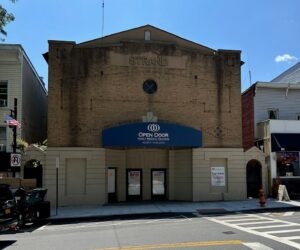
Several locations are under consideration, including the Hillcrest Theater in Tarrytown, Westchester County’s first purpose-built cinema, constructed in 1912 and later repurposed as the Veteran’s Memorial Building after new fire codes forced its closure. Another possibility is Sleepy Hollow’s Strand Theatre, a single-screen cinema (1915–1961) now housing a medical facility but still bearing its movie-house bones. The group is also in conversation with Tarrytown Music Hall, which screened films from 1901 to 1976 and still has its original projection booth. While the Music Hall remains a live-performance venue, Solomon hopes for future collaborations in programming and resources.
Plans go beyond screenings. The board envisions repertory series, seasonal festivals, and educational partnerships with local schools, including workshops where students can learn to operate a 35mm projector, a skill growing rare in the digital age.
The organization’s branding draws on Sleepy Hollow’s storytelling traditions. Its logo features a lantern — a nod to the party scene in The Legend of Sleepy Hollow where ghost stories are traded by firelight — alongside the silhouette of the Tappan Zee Bridge.
The first financial milestone is $40,000 for feasibility studies and equipment for “pop-up” screenings in spots like Patriots Park and the Warner Library lawn, potentially debuting as soon as next summer. Ultimately, the project will require more than $1 million to acquire a site and another $3–4 million for renovations.
Funding will come from grants, private donations, and partnerships. With fiscal sponsorship from Friends of Tarrytown Parks and Recreation, contributions will be tax-deductible.
If all goes according to plan, moviegoers could be walking to a brand-new theater by 2028. Until then, expect outdoor screenings, special events, and other small-scale programs to keep the excitement — and the ghost stories — alive.
For updates, visit sleepyhollowcinema.org and join the mailing list to learn when donations open.