


You can tell a lot about a home within moments of walking through the front door. A bright entrance, comfortable seating, and thoughtfully chosen decor can make visitors feel at ease before they’ve even taken off their coats. Fortunately, creating that impression doesn’t require expensive furniture or a complete renovation.
Often, the smallest details have the greatest impact. An awkward furniture arrangement, harsh lighting, or a cluttered hallway can affect how guests experience your space. With a few practical interior upgrades, you can make your home more inviting while keeping the personality that makes it yours.
Create an Inviting Entrance
Your entrance gives visitors their first glimpse of your home. A tidy, practical hallway helps people settle in rather than leaving them wondering where to put their coats or shoes.
Start by clearing unnecessary items from the floor. A narrow console table provides somewhere for keys and mail, while wall hooks keep jackets and bags out of the way. If space allows, add a small bench where guests can comfortably remove their shoes.
A mirror above the console table can make a narrow hallway feel more spacious by reflecting natural light. You could also introduce a small plant or framed photograph to give the area some character.
Pay attention to the exterior, too. A clean doormat, tidy pathway, and working porch light create a pleasant arrival, particularly on dark winter evenings.
Choose Window Treatments That Complement Your Interior
Windows influence how a room looks and feels, making their coverings an important part of your interior design. Outdated curtains or poorly fitted blinds can distract from otherwise attractive furnishings.
Consider the room’s proportions before choosing a window treatment. Floor-length curtains can add softness to larger living rooms, while fitted blinds suit smaller spaces where heavy fabric might overwhelm the windows.
Roman blinds offer an appealing middle ground. Their fabric folds create a softer appearance than standard slatted blinds, without taking up the wall space that traditional curtains require.
They also give you plenty of scope to introduce color and pattern. For example, a subtle botanical print can add interest to a room with neutral walls, while a plain textured fabric can complement patterned upholstery.
If you’re considering Roman blinds for your windows, Terrys Fabrics has a selection of designs at terrysfabrics.co.uk/collections/blinds-roman, offering inspiration for different interior color schemes.
Think about practicality alongside appearance. Street-facing windows may need greater privacy, while rooms overlooking a garden might benefit from treatments that allow you to enjoy the view.
Before making a final decision, look at fabric samples in natural daylight and under your evening lighting. Colors can appear surprisingly different as the light changes.
Arrange Furniture to Encourage Conversation
Furniture placement plays a considerable role in how comfortable guests feel. Even an attractive living room can seem awkward if everyone has to turn around to speak to one another.
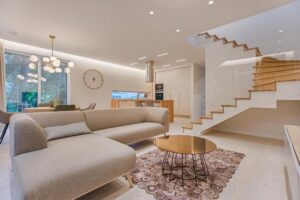
Instead of positioning every chair toward the television, arrange seating to encourage face-to-face conversation. Two armchairs opposite a sofa can create a sociable arrangement, while a smaller room might benefit from one chair angled toward the couch.
Consider how people move through the space. Guests should be able to reach their seats without squeezing between tables or stepping around decorative objects.
A coffee table should sit close enough for people to reach their drinks without stretching. Side tables can serve the same purpose when the room doesn’t have space for a larger centerpiece.
You don’t necessarily need additional furniture. Sometimes, removing an unnecessary chair or repositioning a table makes the entire room feel more spacious. Try sitting in different places yourself. You’ll quickly notice awkward viewing angles, inconvenient surfaces, or areas where conversation feels difficult.
Use Lighting to Create a Comfortable Atmosphere
Lighting can change the character of a room, particularly when you’re entertaining during the evening. A bright ceiling fixture provides useful illumination, but relying on it alone can make a living room feel harsh. Adding lamps at different heights creates a more relaxed setting.
Place a table lamp beside the sofa or use a floor lamp to brighten a darker corner. Wall lights can also provide gentle illumination without occupying valuable floor space.
Warm-toned bulbs generally suit living rooms and dining areas where people gather to relax. If your light fixtures support dimmers, you can adjust the brightness to suit different occasions.
During the day, make the most of natural light. Keep windows clean and avoid positioning tall furniture where it blocks sunlight.
You can also use lighting to draw attention to interesting features, such as a favorite painting, a bookshelf, or an architectural detail. The aim is to give each room enough light for comfort without making every corner equally bright.
Add Personality Through Thoughtful Details
Guests often remember the personal touches that distinguish one home from another. Family photographs, favorite books, artwork, and objects collected during travels can all make a space more interesting.
Choose a few meaningful pieces rather than filling every available surface. An attractive photograph or a distinctive ceramic vase often catches more attention when it has room around it.
Soft furnishings can also make seating areas more comfortable. A textured throw over an armchair or a few cushions in complementary colors can make existing furniture feel more inviting.
Consider bringing a little nature indoors. Fresh flowers or a healthy houseplant introduce color without requiring major decorative changes.
Practical details deserve equal attention. Clear a convenient surface for drinks, provide clean hand towels, and make sure visitors can easily find the bathroom.
Avoid overpowering fragrances, as some guests may find heavily scented candles or sprays unpleasant. Fresh air and a clean room usually create a better impression.
Final Thoughts
Making a good first impression doesn’t mean turning your home into a showroom. Guests are more likely to appreciate a comfortable, thoughtfully arranged space than one that looks beautiful but feels difficult to relax in.
Start with the entrance, then consider how your window treatments, furniture placement, and lighting work together. Personal decorations and practical touches can help complete the look without demanding a large budget.
Most importantly, make changes that suit your household and everyday routines. When your home feels comfortable and reflects your personality, visitors can settle in, enjoy the conversation, and feel genuinely welcome.