



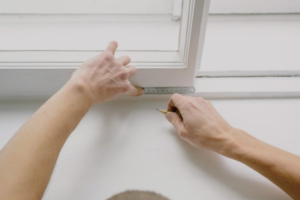
Small drafts become harder to ignore with rising energy costs. A little cold air slipping under the front door in winter, or warm air leaking in around a window during summer, may not seem like much at first. Over time, though, those gaps can make heating and cooling systems run longer just to keep the house comfortable.
The good news is that not every fix requires a major renovation. This blog will cover simple seasonal home maintenance steps homeowners can take to reduce unnecessary strain on heating and cooling systems.
How Drafty Windows and Doors Affect Home Energy Bills
Have you noticed one room always feels colder in winter or warmer in summer, even when the thermostat says the house should be comfortable? That’s because improperly sealed and poorly maintained doors and windows can let heated or cooled air escape before it has a chance to circulate properly.
When that happens, your heating and cooling system may need to run longer to make up for the lost air. A small gap under a door, cracked caulking around a window, or worn-out weatherstripping may not seem serious on its own, but these weak spots can slowly affect heating and cooling costs over time. To prevent this, a few small maintenance steps can go a long way.
Seasonal Home Maintenance Tips for Homeowners to Save on Rising Energy Costs
If you’re looking into how to save on home energy bills without taking on a major renovation, here are some simple and practical tips that can make your home feel more comfortable through the seasons.
-
Check For Drafts Around Windows And Doors
Windows and doors should close firmly enough to keep outdoor air from sneaking in. If you feel a breeze around the edges, the seal may no longer be doing its job. Check the caulking, locks, door sweeps, and weatherstripping first. For older or draft-prone windows, adding window insulation can also help reduce heat loss and make the room feel more comfortable.
Good window insulation helps reduce that air movement, keeping indoor temperatures steadier and making the home feel more comfortable from room to room.
-
Replace Worn Weatherstripping
If a door or window does not close as tightly as it used to, the weatherstripping may be part of the problem. This material acts like a cushion between the moving part of the door or window and the frame.
Once it becomes brittle, compressed, or loose, it leaves small gaps where air can pass through. Installing a new weather stripping can help reduce drafts and keep heated or cooled air inside longer. It is a small job, but it is worth checking before the coldest or hottest months of the year.
-
Add Or Adjust Door Sweeps
Similar to how weatherstripping helps seal gaps around the sides and top of a door, a door sweep helps close the space at the bottom where air can slip through. However, over time, the rubber can crack, bristles can flatten, and screws can loosen, leaving a gap between the door and threshold.
To avoid this, check the door sweep at the start of each season and make sure it still touches the threshold when the door is closed. If you see daylight, feel a draft, or notice the sweep dragging unevenly, it may need to be tightened, adjusted, or replaced.
-
Clear Window Tracks and Sills
Window tracks and sills collect more than a little dust over time. Dirt, dead bugs, leaves, moisture, and grit can settle into the corners and make it harder for windows to close as tightly as they should.
When the track is clogged, even a well-made window may not seal properly. Clearing these areas during seasonal maintenance can help you spot cracked caulking, soft wood, mold-like staining, or signs of water collecting where it should not.
-
Schedule Residential Window Cleaning Before Peak Season
Drafts are usually felt from inside the home, but exterior conditions can reveal just as much. Interior and exterior window cleaning helps keep both sides of the glass clear while giving homeowners a chance to inspect frames and seals.
Scheduling a professional window cleaning service before peak heating or cooling season can make that inspection easier and more thorough. Clean glass, tracks, and sills give homeowners a better view of cracked caulking, moisture stains, mineral buildup, damaged seals, and areas where debris may be collecting. It is not just about making the windows look brighter. It is also a practical way to check whether the window area is ready for the season ahead.
-
Replace HVAC Filters Regularly
HVAC filters do more than catch dust. They help keep air moving through the system the way it should. When a filter gets clogged with dust, pet hair, pollen, and debris, the system has to push air through a tighter space. That can make it work harder than necessary, especially during the months when heating or cooling is running every day. Replacing the filter regularly is a simple habit that can support better airflow, improve indoor comfort, and help the system do its job with less strain.
For a more complete seasonal check, it is also worth scheduling professional HVAC maintenance before the system enters its busiest months. A technician can inspect parts homeowners usually do not see, clean key components, check airflow, test the thermostat, and look for early signs of wear. This helps catch small issues before they turn into mid-season breakdowns, when the system is already working harder to keep up with outdoor temperatures.
Final Takeaways
Rising energy costs have made everyday maintenance feel more important than ever. A draft under the door, a window that does not close tightly, or a dirty track that hides moisture may seem like a minor issue, but these small problems can slowly make a home harder to heat or cool.
Seasonal home maintenance gives homeowners a practical way to stay ahead of those issues. By checking windows and doors before peak heating or cooling season, clearing buildup, improving seals, and scheduling residential window cleaning and HVAC maintenance when needed, homeowners can reduce unnecessary strain on their systems and make their homes feel more comfortable through every season