



 Before colder weather arrives across Westchester County, homeowners should prepare their roofs for the winter season. That’s because even small problems can quickly snowball into costly repairs after months of snow, ice and big swings in temperature.
To help prevent damage and save energy, local roofers recommend taking advantage of the mild fall weather to tackle basic do-it-yourself roof maintenance.
“Every spring we see the damage caused by the area’s harsh winter,” said Jeff Brett, CEO of King Quality Roofing & Siding, which serves Westchester County through its Hawthorne office. “The good news is that many minor issues can be caught and fixed in the fall before they become expensive repairs.”
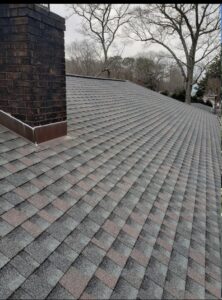
Roof experts suggest homeowners have their roofs inspected twice a year. For those who prefer not to go it alone, many local contractors, including King Quality, provide free inspections. A certified roofer can spot potential problems that might go unnoticed, giving homeowners peace of mind before the first snow hits.
 How to prepare your roof for winter:
-
Clear away roof debris – A clean roof effectively sheds rain and snow. Remove branches and leaves from the roof, which can trap moisture and wear down shingles. Debris can also hide minor roof damage you should fix before winter, such as cracks or missing pieces.
-
Look for leaks – Check inside the home for telltale signs such as water stains on ceilings or walls. Also, visually inspect the roof. Use binoculars from the ground or climb a ladder for a closer look at shingles and flashing, the metal sheets around chimneys, skylights and vents that keep water out. If those materials are cracked or peeling, water can get inside and lead to bigger problems once temperatures freeze.
-
Don’t wait to repair – Even small leaks can ruin insulation, encourage mold growth and weaken the roof’s structural integrity. Once moisture gets in, it can freeze when the temperature drops, turning minor leaks into bigger gaps. Handy homeowners may be able to replace a single shingle or piece of flashing, but most will want to call in professionals for more complex jobs rather than risk a slip or fall.
-
Clean the gutters – Fall leaves can clog gutters. When water doesn’t drain properly, it can pool on roofs and cause damage. In winter, clogged drains mean melted snow can’t drain away, so it backs up and sits on the roof, where it can ruin shingles and cause structural damage. Clean gutters every fall and consider installing gutter screens or guards to prevent debris buildup.
-
Check the attic – Ensure the attic is properly insulated to prevent roof damage. Without insulation, hot daytime air rises into the attic and escapes through the roof, melting snow. That moisture freezes again at night, creating ice dams and contributing to leaks.