



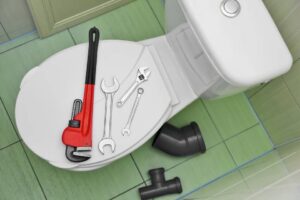
Plumbing problems can be a big surprise and often happen when you least expect them. One moment everything is fine, and the next, you have a leaky pipe or an overflowing toilet. These issues can be stressful because they might damage your home, and you might feel unprepared to fix them. It’s important to stay calm when facing plumbing problems.
Knowing what to do during a plumbing emergency can save you time, money, and frustration. This article gives you practical tips for handling common plumbing issues and knowing when to call an emergency plumber Oakville. Let’s look at how to manage these situations quickly and effectively.
Identify Common Issues
Water leaks, clogged drains, and running toilets are common plumbing problems for homeowners. Leaks can happen because of corroded pipes, worn seals, or foundation shifts. Finding a leak early can reduce damage and repair costs. Watch for water stains on walls or ceilings, and listen for dripping sounds.
Clogged drains usually occur from hair, soap buildup, or foreign objects blocking the flow. A running toilet often signals a bad flapper valve or a chain that needs adjusting. It’s crucial to spot these problems early, as they can get worse if ignored.
Turn Off the Water Supply
When you face a plumbing issue, the first thing to do is turn off the water supply. This can help prevent further damage and reduce water waste. Find the main shut-off valve, usually near the water meter. If the problem is isolated, such as a leaking sink, you can turn off the specific valve for that fixture.
Being able to shut off the water quickly can prevent disasters, especially if water begins to pool or flood an area. Familiarize yourself with these valve locations ahead of time so you can act fast in an emergency.
DIY Fixes for Minor Problems
For small plumbing issues, you can try easy DIY fixes before calling a plumber. For leaks, you might tighten connections or use plumber’s tape on threaded joints. You can often clear clogged drains with a plunger or a mix of vinegar and baking soda followed by hot water.
However, not every problem is a simple fix. If your DIY attempts don’t work or if you feel the issue is too complex, don’t hesitate to get professional help.
When to Call an Emergency Plumber
Some plumbing emergencies need immediate professional help. Call an emergency plumber if you see major water damage or flooding. Warning signs include water seeping through walls or ceilings or a sudden increase in your water bill.
Also, if you can’t find the source of a leak or if water pressure drops suddenly, these could mean more serious plumbing problems that need expert help. A skilled plumber can identify the issue and suggest the best solution.
Preventive Measures to Consider
It’s better to prevent plumbing problems than to fix them. Regular maintenance can help you avoid expensive repairs later. Schedule routine checks to find leaks, rust, and other issues in your plumbing system.
Be careful about what you put down your drains. Only flush waste and toilet paper. For kitchen sinks, use a strainer to catch food bits. Simple steps can make a big difference and help your plumbing last longer.
Understanding Plumbing System Components
To effectively manage plumbing problems, it’s helpful to understand the basic components of your plumbing system. This knowledge can empower you to identify issues more rapidly and communicate better with professionals if needed.
Plumbing systems are primarily composed of pipes that carry water throughout your home. They can be made of copper, PVC, or PEX materials. Knowing the type of pipes in your system is crucial since each material responds differently to wear and tear. You should also be familiar with HVAC in Oakville. By understanding these components, you can spot potential issues early and know when it’s time to call a professional.
Staying Calm Under Pressure
If a plumbing emergency happens, stay calm and think clearly. Panicking can lead to mistakes that make things worse. Take deep breaths, assess the problem, and follow these steps: turn off the water, try small fixes, and know when to call a plumber. Before you call, gather important details like the problem, when you noticed it, and any actions you’ve taken. This information will help the plumber understand the situation and respond effectively.
To deal with plumbing problems quickly, prepare ahead and know when to ask for help. By recognizing common issues and learning basic fixes, you can handle many situations on your own. The key is prevention and maintenance. Keeping your plumbing system in good shape can help you avoid emergencies, leading to a stress-free home.