


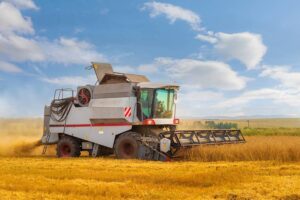
Maintaining your farm equipment is just as important as growing your crops. If you take care of your machinery, it will work better and break down less often during busy times. Your compact tractor is vital for busy planting and harvesting days. Regular maintenance helps ensure your equipment lasts for years.
Here are the best practices for farm equipment maintenance.
Routine Inspections
Regular checks make a big difference. Create a checklist of key components of your machinery, such as the engine, tires, and belts. Inspect your equipment weekly during busy seasons and monthly during less busy seasons. Look for signs of wear and tear. Checking oil levels and filters can prevent bigger problems later.
Keep your equipment clean. A clean machine runs better, and you can spot issues more easily. After working in the fields, take a few minutes to wipe down your equipment. This small effort can lead to significant benefits.
Fluid Checks
Make sure your machinery has the right fluids, such as engine oil, hydraulic fluids, and coolants. Each fluid is crucial for your equipment’s function. Change these fluids regularly based on the manufacturer’s guidelines. Following this routine keeps your machinery running smoothly.
Watch for leaks. Leaking fluids can indicate problems that could lead to costly repairs or equipment failures. By staying on top of your fluid levels, you can avoid larger issues.
Battery Maintenance
Batteries power your machinery, so it’s important to keep them in good shape. Check the terminals and cables for corrosion. A clean battery works better! Make sure connections are tight and clean off any buildup.
Consider buying a battery charger. A trickle charger can keep batteries charged during the off-season, so they’re ready when you need them. This small investment can prevent the hassle of a dead battery.
Tire Care
Your tires connect your equipment to the ground, so don’t ignore them. It’s important to check tire pressure. Under-inflated tires wear out faster and waste fuel. Check the pressure before use and look for damage or excessive wear.
Rotate your tires regularly to ensure even wear and prolong their life. This simple step can save you money and improve performance, especially in rough fields.
Proper Storage
Storing your equipment properly can extend its life. If you can, keep your machinery in a clean, dry place, away from the weather. This protects your investment from rust, especially in winter.
If you have compact tractors and a limited shelter, consider buying a good cover. It helps keep out dust and debris and reduces the chance of damage.
If you store equipment for a long time, follow the correct procedures: drain the fuel, lubricate moving parts, and ensure everything is in good condition before use.
Compact Tractors
Compact tractors are essential on many farms. They can handle various tasks, like mowing and tilling, in tight spaces. This makes them valuable for small to medium-sized farms.
Regular maintenance of your compact tractor keeps it efficient. Check fluid levels, inspect attachments, and keep it clean. These practices improve your tractor’s longevity and boost productivity on your farm. Taking care of your equipment makes your farming tasks easier and more enjoyable. Maintaining your farm equipment is just as important as growing your crops.
If you take care of your machinery, it will work better and break down less often during busy times. Your compact tractor is vital for busy planting and harvesting days. Regular maintenance helps ensure your equipment lasts for years.
Scheduled Professional Servicing
Taking care of your equipment is important, but scheduling professional servicing is equally essential. Trained technicians can find potential problems that you might miss during regular checks. They can provide thorough inspections and offer advice based on your equipment’s specific needs. They also know how to maintain specialized equipment, like sub compact tractors.
Build a relationship with your local service provider. Setting up a schedule for regular tune-ups creates a safety net that helps your farm’s machinery last longer and work better.
Record Keeping
Don’t overlook the importance of good record-keeping. Write down maintenance activities, repairs, and inspections to track your equipment’s service history. This information helps you remember when to perform checks and provides valuable history when it’s time to buy or sell machinery.
Overall, following these best practices regularly makes farming smoother and more efficient. Keeping your equipment in good shape pays off in the long run.