





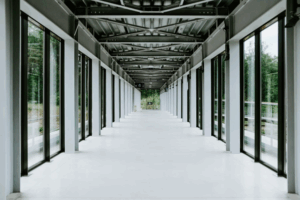
In modern architecture and interior design, the push toward clean lines, industrial accents, and functional beauty has created a demand for materials that are as strong as they are sleek. Nowhere is this balance more evident than in the rising popularity of the glass and metal door. Once seen as merely industrial or utilitarian, this combination has now become a hallmark of contemporary homes, offices, restaurants, and even luxury retail stores.
By merging the transparency and light-enhancing qualities of glass with the structural integrity and durability of metal, these doors offer the best of both worlds. They are no longer just entry points or partitions — they are statements of design intent.
The Aesthetic Appeal of Glass and Metal
Today’s property owners want more than function. They want doors that contribute to the mood and identity of a space. Glass brings openness and brightness, blurring the boundaries between inside and outside or between one room and the next. Meanwhile, metal frames — especially when crafted in minimalist black or brushed aluminum — offer contrast and stability. The result? A visually striking centerpiece that fits just as well in a cozy home as it does in a modern workspace.
There’s also a psychological benefit: transparency equals trust. For commercial spaces like cafes or coworking hubs, glass and metal doors offer visibility and welcome without compromising on durability or sound insulation.
Where Function Meets Flexibility
Beyond aesthetics, these doors offer high functionality. They can be sliding, swinging, or pivot-style. Metal allows for slim framing, which maximizes glass area, while still ensuring structural stability. For homes, that means more natural light, fewer barriers, and improved energy flow. For businesses, it means better customer visibility and a sense of openness that supports collaboration.
Popular Uses for Glass and Metal Doors
Here are some of the most common applications:
- Exterior entrances: Adds curb appeal while allowing visibility and light into the foyer.
- Interior partitions: Used to separate rooms or zones without sacrificing openness.
- Office settings: Creates a modern, professional look while maintaining acoustic performance.
- Retail and hospitality: Perfect for storefronts or entryways where design and function must align.
Comparing Glass Door Options
| Feature | Frameless Glass Door | Glass and Metal Door | Solid Wood Door |
| Natural Light Flow | Excellent | Excellent | Poor |
| Sound Insulation | Moderate | Good | Good |
| Aesthetic Flexibility | High | Very High | Medium |
| Structural Strength | Low | High | High |
| Maintenance Needs | Low | Moderate | High |
| Energy Efficiency | Good (with coatings) | Good (with coatings) | Moderate |
This table highlights the balanced performance that a glass and metal door offers compared to other popular styles. It often sits at the intersection of performance and modern design.
Benefits Beyond Beauty
The advantages of choosing a glass and metal door go far beyond visual appeal.
Durability and Security
Metal frames — especially those made from steel or aluminum — provide excellent support and longevity. These doors can withstand daily wear, impacts, and even fire-rated requirements when manufactured to code. Paired with tempered or laminated safety glass, they also offer strong resistance to breakage.
Energy Efficiency
With the right glazing, these doors can help reduce energy bills. Double or triple-pane glass, low-E coatings, and thermally broken metal frames contribute to improved insulation and less temperature fluctuation inside the space.
Low Maintenance
Unlike wood, which can warp or crack, and plastics, which may fade or degrade, both metal and glass are highly resistant to moisture, pests, and UV damage. Occasional cleaning with appropriate materials keeps them looking new.
Design Versatility
Whether you’re going for a minimalist industrial vibe or a luxurious open-plan interior, these doors adapt beautifully. The variety of finishes — matte black, bronze, stainless steel — combined with tinted, frosted, or clear glass, allows endless customization.
Installation Considerations
Before making the investment, it’s important to consider a few key factors:
- Door placement – Exterior or interior? Weather exposure? Noise concerns?
- Glass type – Safety glass is a must. Tempered or laminated options offer strength and peace of mind.
- Frame finish – Powder-coated metals resist corrosion better than painted ones.
- Hardware – High-quality hinges, locks, and sliding systems are essential for long-term performance.
Ideal Spaces for Integration
Here are some spaces where a glass and metal door makes a major impact:
Residential Settings
- Between kitchen and dining areas, for open flow without losing structure.
- As a patio or garden door, seamlessly connecting indoor and outdoor.
- In walk-in closets or bathrooms for a spa-like, airy feeling.
Commercial and Retail
- Entryways that demand curb appeal and security.
- Conference rooms and meeting areas that require sound dampening.
- Storefronts that rely on product visibility to attract passersby.
Pairing with Other Design Elements
To create a cohesive design, consider pairing glass and metal doors with:
- Exposed concrete or brick for an industrial touch.
- Warm woods or textiles to balance the coolness of metal.
- Large-format tiles or polished floors to reflect natural light.
The transparency and elegance of these doors enhance most materials, making them easy to work into any renovation or new build project.
Maintenance Tips
Keep your glass and metal door in top condition with these basic tips:
- Use non-abrasive cleaners for glass surfaces.
- Regularly check and lubricate hinges or sliding tracks.
- Wipe down metal with a microfiber cloth to avoid scratches.
- Ensure seals and weatherstripping are intact, especially on exterior doors.
These small tasks can significantly extend the life of the door and preserve its high-end appearance.
Investing in Lasting Value
One of the often-overlooked benefits of glass and metal doors is their effect on property value. Not only do they improve curb appeal and interior flow, but they also signal quality. A well-designed door tells potential buyers or tenants that the property is up to date, well maintained, and intentionally styled.
It’s a small upgrade that offers outsized returns — financially and visually.
The Final Thought on Glass and Metal Door Design
As trends continue to evolve, one thing remains clear: transparency and strength are not mutually exclusive. The glass and metal door represents a smart, stylish, and future-forward investment in any property. With the ability to enhance light, improve flow, and define space without closing it off, these doors have earned their place in both residential and commercial design.