

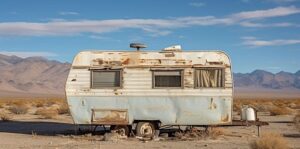
Rodent infestations are a common but frustrating reality for RV owners, especially in rural states like Iowa. Mice, rats, and other pests often find their way into stored vehicles during colder months, chewing wires, tearing insulation, and leaving behind hazardous waste. Once the infestation becomes widespread, repairing the damage may not be worth the cost or effort.
If you’re preparing to sell your junk RV for cash in Iowa, you need more than a simple listing and handshake. Rodent damage involves both structural and health concerns, which can influence the buyer’s interest and the amount you’ll receive. Taking a few key steps before listing your RV for sale will ensure a smoother transaction and increase your chances of securing a fair price.
1. Assess the Scope of Rodent-Related Damage Inside and Out
Before you contact any potential buyer, thoroughly inspect your RV for signs of rodent activity. Check under seats, behind cabinets, inside vents, and within walls. Look for chewed wiring, gnawed upholstery, droppings, nests, and any visible contamination. If rodents reached the engine bay or power system, the damage may extend to critical mechanical components.
Document the condition with detailed notes and high-quality photos. Include both damaged and undamaged areas, since buyers want a complete view of what they’re purchasing. Transparency builds credibility and can help you sell your junk RV for cash in Iowa without drawn-out disputes.
Rodent infestations can impact a property’s resale value more significantly than cosmetic damage. Be honest about what you find, and let buyers know whether extermination or basic cleanup has already taken place.
2. Remove Personal Items and Biohazards Before Inspection
Even if you’re selling your RV as-is, it needs to be cleared of belongings and hazards. Rodents often tear through stored clothing, papers, and food containers, leaving contamination behind. Remove everything from drawers, overhead bins, closets, and storage bays. Bag any soft goods that may be infested and dispose of them safely.
If droppings, urine, or nesting material are present, wear protective gear when removing them. Seal contaminated waste in heavy-duty bags, and ventilate the vehicle to reduce odor. Buyers—especially professionals—expect basic sanitation before viewing a damaged rig, even if they plan to gut it for parts.
This step also allows you to recover valuables or documentation that may have been forgotten inside.
3. Verify Ownership and Prepare Your Iowa Title for Transfer
In Iowa, selling a junk RV—especially one with pest-related damage—still requires proper title documentation. Locate your title and confirm that your name matches the registration exactly. If you’ve misplaced the title or the vehicle was inherited, you may need to apply for a duplicate or initiate a legal transfer through the Iowa Department of Transportation (DOT).
Rodent damage doesn’t exempt you from legal responsibilities. The title must be signed over correctly, and any lien releases must be filed before the sale. Some junk buyers offer title assistance, but you are still responsible for ensuring the paperwork is accurate.
Additionally, keep a copy of the bill of sale and notify the DOT once the RV changes hands. This protects you from future liability if the new owner fails to register or dispose of the vehicle properly.
4. Evaluate Whether to Sell Whole or Dismantle for Parts
Depending on the level of damage, you may have better luck selling the RV in pieces rather than as a complete unit. Rodents often ruin interiors but leave external components untouched. Items such as generators, awnings, wheels, battery systems, and even the shell can hold value, especially if your model is in high demand among DIY builders or RV hobbyists.
Calculate how much effort dismantling would take, and whether you have the tools and space to do so. In some cases, parts sales yield more than whole-vehicle offers. However, selling a complete junk RV is faster and involves less time and labor.
Compare offers from buyers who specialize in parting out units versus those who specialize in hauling entire vehicles—factor in towing costs, time, and cleanup when choosing the most profitable route.
5. Be Upfront About Rodent Issues in Listings and Negotiations
Concealing a rodent infestation in hopes of getting a better offer will likely backfire. Buyers can quickly identify signs of pest damage, and attempting to hide it creates mistrust. Include explicit references to the type of damage in your listing, such as:
- “Rodent-infested interior”
- “Chewed wiring throughout”
- “Needs full interior teardown.”
While these statements may seem off-putting, they help filter inquiries from serious buyers who understand what they’re getting into. This saves time and avoids back-and-forth with people expecting a lightly used RV.
Providing a realistic, well-documented picture of the RV’s condition helps you set appropriate expectations and negotiate from a position of honesty and transparency. Many junk buyers in Iowa prefer full disclosure, as it enables them to assess the potential for resale or scrap value quickly.
Turning a Rodent Problem Into a Smart Exit Strategy
Rodent damage can make an RV feel unsellable, but that doesn’t mean it’s worthless. With Iowa’s active junk and salvage market, there’s demand for damaged rigs, especially those with intact frames, mechanical systems, or trailers.
Handling cleanup, paperwork, and honest representation puts you in control of the process. Whether you accept a cash offer from a salvage yard or sell to an individual buyer seeking parts, preparation ensures that you make the most of a difficult situation.
In the end, a rodent-damaged RV can become more than just a burden—it can be the beginning of a smart, profitable move forward.